Toyo Drive
Choosing the right ride-on car for kids can feel overwhelming. With countless options available, it's crucial to understand how to choose the best ride-on car for kids. Recent market reports indicate a significant growth in the toy vehicle segment, with demand increasing by 10% annually. Parents often face challenges in deciding which features enhance safety and enjoyment.
Experts suggest focusing on design, age appropriateness, and safety features. The best ride-on cars should not only look appealing but also meet safety standards. According to the Consumer Product Safety Commission, ride-on cars must have secure seatbelts and stable construction to prevent accidents. Many parents overlook the importance of weight limits; ignoring this can lead to unsafe play experiences.
While fancy features attract attention, functionality should be a priority. Consider factors like battery life, speed settings, and materials used. A durable model is essential, as children often engage in rough play. Research indicates that parents tend to prioritize aesthetics over safety, which can lead to regrettable purchases. Ultimately, selecting the perfect ride-on car involves balancing fun and safety.
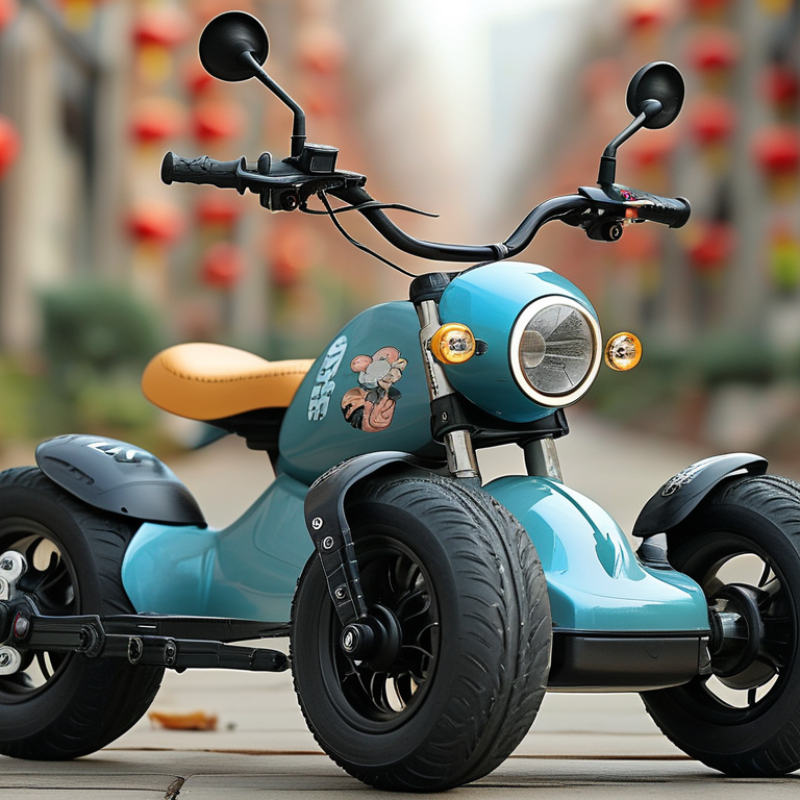
When selecting a ride-on car for children, several factors must be considered to ensure safety and enjoyment. According to the American Academy of Pediatrics, age-appropriate toys significantly enhance motor skills and coordination. Hence, it's crucial to choose a car designed for a specific age range. Most ride-on cars cater to toddlers aged 1-3 years, while other options are suitable for kids up to 8 years old.
Safety features should always come first. Look for cars with durable materials, safe speed capabilities, and reliable brakes. A report published by the Consumer Product Safety Commission states that about 3,000 injuries related to ride-on toys occur each year in the U.S. This underlines the need for proper safety measures, including parental supervision during use.
Additionally, consider battery life and charging times. Many electric models can run for 40-60 minutes on a full charge. However, long charging times can be frustrating. Opting for a model with a quick recharge can extend fun without long interruptions.
Finally, not all ride-on cars are suitable for rough terrain. Consider where the car will be used. Smooth surfaces are ideal for all models, but off-road options exist for adventurous play. Choose wisely and prioritize your child’s experience, ensuring numerous safe and enjoyable rides.
When choosing a ride-on car for kids, safety should be a top priority. According to a study by the American Academy of Pediatrics, nearly 20,000 children visit emergency rooms each year due to ride-on toy-related injuries. Understanding essential safety features can help prevent accidents.
Look for models with a sturdy frame and non-toxic materials. Cars should have a weight limit clearly stated in the product specifications. Many ride-on cars come equipped with safety belts. This added feature can significantly reduce the risk of falls. Additionally, consider cars with parental controls, which allow adults to manage speed and direction.
Inspect the wheels and brakes. Ideal ride-on cars have soft-start technology that ensures smooth acceleration. Some designs include anti-slip tires for better grip. A study from the Consumer Product Safety Commission noted that 50% of all ride-on car injuries are related to tipping over. Therefore, a low center of gravity can enhance stability. Pay attention to these details to ensure a safer riding experience for your child.
When selecting a ride-on car for kids, understanding the
ideal age and weight limits is crucial.
Most ride-on cars have specific recommendations. Typically, these cars suit kids aged
2 to 8 years, but always check the manufacturer guidelines.
Weight limits usually range from 40 to 130 pounds.
Exceeding these limits can be unsafe.
Choosing the right car requires some thought. Young children may prefer smaller cars that they can control easily.
Look for models designed with training wheels or safety belts for added security. For older kids, seek cars with
adjustable speeds. This accommodates their growing skills.
Pay attention to battery life and charging times. Some models may not last through long play sessions, affecting enjoyment.
Parents should also observe how their children interact with the vehicle. If they're unsure, it might be worth considering
something else. Always prioritize
safety and fit over flashy features. A car that's too big can lead
to accidents, while a too-small one can cause frustration. Get your child involved in the selection process.
This can enhance their enthusiasm and ensure the car meets their needs.
When choosing a ride-on car for kids, battery life is crucial. A quality battery ensures longevity during playtime. Look for models that offer at least one to two hours of operation on a full charge. Parents should consider how often the car will be used. If daily play is expected, a longer battery life will save you hassle.
Charging options should be flexible. Many ride-on cars come with standard wall chargers, but some have USB options. This can be convenient for quick power-ups. Analyze how long it takes to charge the battery. Some models can take several hours, which might not be ideal during busy days.
Tip one: Check the type of battery used. Lithium-ion batteries offer better performance, while lead-acid batteries may not last as long. Tip two: Pay attention to indicators. Battery level indicators can help avoid unexpected shutdowns during play. These details can greatly increase the value of your purchase.
When selecting the right size and style for a child's ride-on car, safety and comfort are paramount. Most professionals suggest choosing a vehicle that fits the child’s age, weight, and height. According to a report by the U.S. Consumer Product Safety Commission, children aged 3 to 8 benefit most from cars designed specifically for their developmental needs. Choosing the wrong size can lead to unsafe situations. A car that's too small can be cramped, while one that's too large may be difficult to control.
Consider the terrain where the car will be used. A study from the Toy Association highlights that nearly 45% of parents prefer ride-on toys suitable for both indoor and outdoor use. The style of the car is also crucial. Kids often gravitate toward vehicles that resemble real cars or fun, imaginative characters. This not only increases their enjoyment but also encourages more playtime. Additionally, be mindful of features like steering ease and speed limits, as these contribute to the overall experience. Always remember that a balance between fun and safety should guide your choice.
| Tip No. | Tip Description | Recommended Age Group | Weight Limit (kg) | Style Preference |
|---|---|---|---|---|
| 1 | Choose the right size for your child | 2-4 years | 25 | Compact |
| 2 | Consider the terrain your child will ride on | 3-6 years | 30 | All-terrain |
| 3 | Look for safety features like seatbelts | 2-5 years | 25 | Standard |
| 4 | Check battery life for extended play | 4-7 years | 40 | Sport |
| 5 | Assess the build quality and materials | 2-6 years | 35 | Classic |
| 6 | Explore unique features like remote control | 3-7 years | 50 | Modern |
| 7 | Research different brands for customer reviews | 3-8 years | 45 | Luxury |
| 8 | Evaluate color options to match child’s preference | 2-6 years | 30 | Various |
| 9 | Choose between electric and pedal powered options | 3-7 years | 40 | Dual-mode |
| 10 | Ensure proper supervision while the child rides | All ages | Safety |
: Look for at least one to two hours of operation. Longer battery life is better for daily use.
Many come with standard wall chargers. Some also offer convenient USB options for quick power-ups.
Charging time varies. Some models may take several hours, which could be inconvenient.
Lithium-ion batteries generally offer better performance than lead-acid batteries and last longer.
They help avoid unexpected shutdowns and improve your purchase's value by ensuring playtime continuity.
Select a vehicle that fits the child’s age, weight, and height to ensure safety and comfort.
Choose ride-on cars suitable for both indoor and outdoor use based on your child's play environment.
Cars resembling real vehicles or fun characters encourage more play, making the experience enjoyable and engaging.
Consider steering ease and speed limits, as these factors greatly influence safety and the overall experience.
Yes, a car that is too small can be cramped, while a large one may be hard to control, creating risks.
When considering how to choose the best ride-on car for kids, it's essential to evaluate several key factors. Safety features should be a priority; look for cars with seat belts, stable designs, and sturdy construction to ensure a secure riding experience. Additionally, understanding the ideal age and weight limits is crucial for selecting a vehicle that is appropriate and safe for your child.
Battery life and charging options are also significant aspects to consider, as optimal performance will enhance your child's playtime. Furthermore, selecting the right size and style ensures that the ride-on car matches your child's preferences and needs, providing an enjoyable and safe riding adventure. By taking these factors into account, you can make an informed decision and choose the best ride-on car for your child.
