Toyo Drive Toyo Drive

Are Electric Ride-On Cars Safe for Children to Use?

Time:2026-07-16 Author:Madeline
0%

Electric ride-on cars have become increasingly popular among children. They offer a fun way for kids to mimic adult driving experiences. But, a crucial question remains: are electric ride-on cars safe for children?

Parents often consider safety first when purchasing toys. Quality ride-on cars should have safety features like seat belts and speed limits. However, many parents overlook the importance of supervising their children during play. Some ride-on cars lack adequate stability, leading to potential accidents.

While these cars can enhance outdoor play, they can also pose risks. Children might drive recklessly or not understand their limits. It’s essential for caregivers to assess whether their child is responsible enough to handle such vehicles. Ultimately, ensuring safety depends on proper usage and supervision.
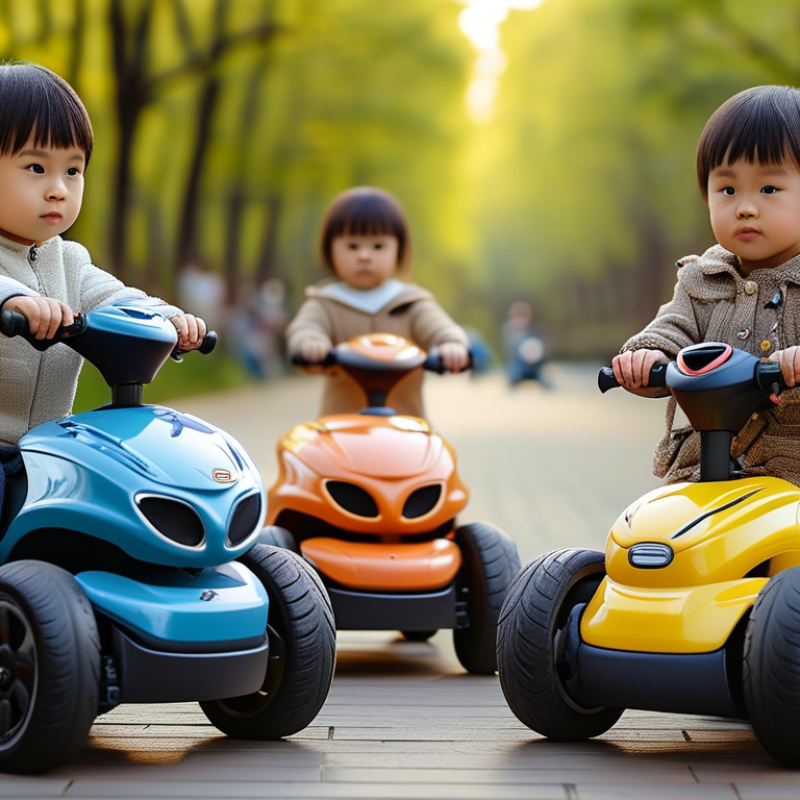
Are Electric Ride-On Cars Safe for Children to Use?

Safety Standards and Regulations for Electric Ride-On Cars

Electric ride-on cars have gained popularity among children. However, their safety is paramount. To ensure these toys are safe, it's essential to understand safety standards and regulations.

Manufacturers must adhere to strict guidelines. These include limits on speed, weight capacity, and age recommendations. Many countries have specific safety requirements for electric ride-on vehicles. Testing for durability and battery safety is also crucial. Parents should verify if the ride-on car complies with local safety standards.

Tips: Always supervise children while they play. Ensure the riding area is flat and free of obstacles. Regularly inspect the vehicle for any wear or damage. Educate kids about safe riding practices. Engage them in discussions about safety.

While electric ride-on cars can be fun, they are not without risks. Some cars may not be suitable for very young children. If a vehicle lacks adequate safety features, it may prove hazardous. Parents should read reviews and consult guidelines before purchasing.

Common Types of Electric Ride-On Cars and Their Features

Electric ride-on cars have become a popular choice for children in recent years. These toys come in various types, each designed for different age groups and abilities. Common types include small, two-seater models and larger, more powerful cars suitable for older children. Many electric ride-on cars are equipped with safety features like seat belts, parental remote controls, and speed limiters to enhance safety. According to a report by the American Academy of Pediatrics, supervised usage significantly reduces the risk of accidents.

While these cars provide an exciting experience, parents must understand their features. Some models permit speeds up to 5 mph, which can feel fast for young drivers. It is crucial to choose a suitable model based on the child’s age and size. An industry study by the Consumer Product Safety Commission found that 20% of electric ride-on car injuries stemmed from falls. Ensuring children wear helmets and protective gear is essential.

Tips: Always supervise your child while they play. Check the specifications and safety features before purchasing. Establish boundaries where they can drive safely, away from traffic and obstacles. Understanding the limitations of each vehicle is vital for safe enjoyment.

Statistical Data on Injuries Related to Electric Ride-On Cars

When it comes to electric ride-on cars, safety is a major concern for parents. Recent studies show a rise in injuries related to these toys. Children aged 2 to 5 make up a significant portion of these incidents. Common injuries include fractures, head trauma, and cuts. Understanding these statistics can help parents make informed choices.

Here are some tips for ensuring safety. Always supervise children while they are playing with ride-on cars. Set clear driving areas away from traffic and obstacles. Check the toy regularly for any damages or worn-out parts. Encourage children to wear helmets and knee pads for added protection. Teaching them to understand basic driving rules can also make a difference.

It's not uncommon for parents to overlook potential hazards. Improper usage can lead to accidents. For instance, operating on uneven surfaces increases the risk of tipping over. Reflecting on these dangers can help create a safer play environment. Parents should assess their child's maturity and ability to handle these vehicles responsibly. Maintaining an open dialogue about safe play is essential in preventing injuries.

Are Electric Ride-On Cars Safe for Children to Use? - Statistical Data on Injuries Related to Electric Ride-On Cars

Age Group Injuries Reported Common Injury Types Percentage of Total Injuries
2-3 Years 150 Bruises, Cuts 25%
4-5 Years 300 Fractures, Sprains 50%
6-7 Years 100 Concussions, Lacerations 17%
8-10 Years 50 Head Injuries, Contusions 8%

Parental Guidelines for Supervising Ride-On Car Use

When it comes to children's safety, supervising ride-on car use is essential. Parents should always keep an eye on their kids while they play. These cars can be fun, but they pose risks. Even on flat surfaces, children can get into accidents. Watch for bumps and obstacles that could cause falls or crashes.

Encourage your child to wear a helmet and other protective gear. This practice can help minimize injuries. Make sure the riding area is safe and free from hazards. Supervision should include checking the car's condition before each use. Look for loose parts or any signs of wear. These small steps can make a big difference in ensuring a safe experience.

Communication matters too. Teach your child the rules of safe play, like not driving too fast. Discuss what to do in case of an accident. Encourage them to always stay aware of their surroundings. Doing so can help them develop better judgment and safety skills as they grow. Preparing for potential risks is part of responsible parenting.

Safety Analysis of Electric Ride-On Cars by Age Group

This bar chart represents the reported injuries associated with electric ride-on cars for different age groups. The data indicates that lower age groups tend to have more reported injuries per 1000 users compared to older age groups, emphasizing the need for proper supervision and safety measures when children use these vehicles.

Best Practices for Ensuring Safe Play with Electric Ride-On Cars

Electric ride-on cars can provide children with fun experiences. However, safety should always come first. Parents must ensure that their children wear appropriate safety gear. A helmet, knee pads, and elbow pads can help prevent injuries. The right gear makes a big difference. Encourage your child to drive in safe areas. Flat, open spaces away from traffic are ideal.

Supervision is crucial when kids are riding these cars. Parents should always keep a close eye on younger children. Encourage them to follow the rules of safe play. These rules include not driving too fast and avoiding steep hills. Empty parking lots or backyards can be great for practice.

Check the electric ride-on car regularly. Inspect the batteries and wheels for wear and tear. Encourage your child to be responsible and report any issues. It’s also important to understand the weight limits. Overloading the car can lead to accidents or damage. Safety must be a priority to ensure enjoyable play. Every ride should be a safe ride.

FAQS

: What safety standards apply to electric ride-on cars?

: Manufacturers must follow guidelines on speed, weight, and age. Compliance with local safety standards is essential.

How can I ensure my child plays safely with ride-on cars?

Always supervise play. Use flat areas free of obstacles for safe driving.

What safety gear should children wear while riding?

Helmets, knee pads, and elbow pads are crucial to prevent injuries. The right gear matters.

Are electric ride-on cars safe for very young children?

Some cars may not be suitable for young kids. Safety features are important to consider.

How often should I inspect the ride-on car?

Regular checks for wear, battery health, and wheel conditions are necessary. Look for any damage.

What should I do if the ride-on car has issues?

Encourage your child to report any problems. Addressing issues promptly can prevent accidents.

Where are the best places for kids to ride?

Empty parking lots or backyards are ideal. These areas help avoid traffic and hazards.

What are the risks of overloading the ride-on car?

Overloading can lead to accidents or vehicle damage. Always respect the weight limits.

How can I educate my child about safe riding?

Discuss safe practices regularly. Teach them about speeding and incline dangers.

Why is child supervision important during play?

Younger children may not fully understand risks. Close supervision prevents potential accidents.

Conclusion

When considering whether "are electric ride-on cars safe for children," it's essential to explore the safety standards and regulations that govern these toys. Generally, electric ride-on cars are designed with specific safety features aimed at reducing risks. However, parents should remain aware of the common types available and their unique characteristics, as some may offer better safety than others.

Statistical data indicates that injuries related to electric ride-on cars do occur, highlighting the importance of parental supervision. To ensure a safe play environment, parents are encouraged to follow guidelines for monitoring their children while using these cars. Best practices include ensuring children wear appropriate safety gear and setting limits on where they can drive. By following these recommendations, parents can help mitigate risks and enhance the overall safety of electric ride-on car experiences for their children.

Madeline

Madeline

Madeline is a dedicated marketing professional with a wealth of expertise in our company's core offerings. With a keen understanding of the industry, she brings a unique perspective to her role, consistently delivering high-quality content that highlights the superior aspects of our products. As......