 Toyo Drive
Toyo Drive
Toyo Drive
When considering a ride-on car for your child, you may wonder what features should you look for in a ride-on car. It's essential to prioritize safety, fun, and educational value. The right ride-on car can stimulate a child’s imagination and motor skills. With numerous options available, choosing one can feel overwhelming.
Look for features such as safety belts, remote controls, and sturdy materials. Ensure the car has a good speed control system. Some models come with built-in music and lights, which can enhance your child’s experience. Also, battery life is crucial; longer playtime means more fun.
Understand that not every ride-on car is perfect. Some may lack essential features, which can lead to disappointment. Research user reviews and consult experts before making a purchase. With the right knowledge, you can find a ride-on car that brings joy while ensuring your child’s safety. Selecting the ideal ride-on car is a journey worth taking.
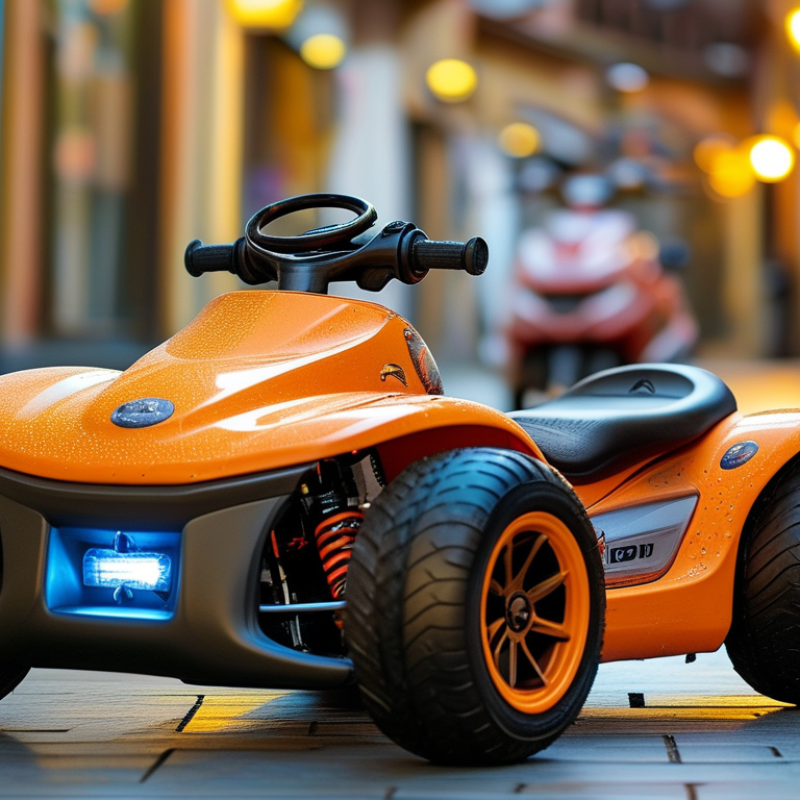
When selecting a ride-on car for kids, safety features are of utmost importance. According to a recent report by the American Society for Testing and Materials (ASTM), nearly 15,000 children are treated for injuries related to ride-on toys each year. This highlights the need to examine key safety features thoroughly.
One critical aspect to consider is the presence of a seat belt. A reliable seat belt keeps children securely in place. Look for models equipped with adjustable harnesses for added safety. Another essential feature is the stability of the vehicle. A wide base reduces the risk of tipping over, which is essential for maintaining balance. Additionally, the maximum speed should be limited to ensure safer rides. Many experts recommend a maximum speed of 5 mph for younger children.
Furthermore, features like automatic brakes can help in emergency situations. Kids often struggle with understanding braking mechanics, so having a system that activates automatically can prevent accidents. Lastly, examine the quality of materials used in construction. Durable, non-toxic materials ensure the ride-on car is both safe and long-lasting. While many options exist, not all provide the level of safety needed for our children. Choosing wisely is critical for their well-being.
| Feature | Description |
|---|---|
| Safety Seat Belt | Ensures that children remain securely seated during use. |
| Soft Start Feature | Gradually increases speed to prevent sudden jolts. |
| Parental Remote Control | Allows parents to control the ride-on car for added safety. |
| Rubber Tires | Provides better traction and a smoother ride on different surfaces. |
| Rechargeable Battery | Environmentally friendly and ensures longer playtime. |
| Speed Limiter | Limits maximum speed for younger children’s safety. |
| Sturdy Frame | Durable construction to withstand falls and impacts. |
| LED Lights | Increases visibility and safety during low-light conditions. |
| Non-Tip Design | Reduces the risk of tipping over during turns. |
| Sound Effects | Provides engaging sound features to enhance the play experience. |
: Look for at least 60 minutes of continuous use to ensure uninterrupted playtime.
Choose cars with plug-in features or portable chargers. Charging times should ideally be under 8 hours.
Battery replacements can impact performance over time. Regular checks ensure the car remains fun to use.
Sturdy materials like ABS plastic and metal frames enhance durability. They provide better longevity and safety.
Test the weight limit and check for sharp edges. Regular maintenance can also improve safety.
Cars with adjustable speed settings can minimize accidents. They are safer as your child grows.
Ensure the ride-on car fits your child's age and size. Too small can be uncomfortable, too big can be dangerous.
Look for easy steering, safety belts, and durable wheels. These features contribute to a safer experience.
Opt for models with adjustable seating or features. This allows for extended use as your child develops.
When considering what features should you look for in a ride-on car for kids, safety should be the top priority. Essential safety features include seat belts, sturdy construction, and speed limiters to ensure a secure experience. Additionally, exploring battery life and charging options is crucial, as a longer-lasting battery enhances playtime, while easy charging solutions can streamline usage.
Durability and build quality are also key elements, ensuring the ride-on car withstands wear and tear for long-lasting fun. Furthermore, design and size considerations are important for age appropriateness, ensuring that the vehicle suits the child’s developmental stage. Lastly, remote control functionality allows for parental supervision, providing parents with peace of mind while kids enjoy their independence. By evaluating these features, you can choose the best ride-on car for your child’s safety and enjoyment.
