Toyo Drive Toyo Drive

Top 10 Reasons Why Is My Ride On Car Not Working?

Time:2026-07-03 Author:Charlotte
0%

Ride-on cars have become a popular mode of play for children, offering joy and excitement. However, many parents face frustration when they encounter issues. The question that arises often is, "why is my ride-on car not working?" According to a recent report by the Toy Safety Association, nearly 30% of parents report performance issues with ride-on vehicles within the first year of use. Expert technician, John Matthews, emphasizes that “Regular maintenance can prevent many issues that lead to ride-on car malfunctions.”

Common issues include battery failure, faulty wiring, and motor problems. Without adequate attention, these problems can escalate, causing parents to question their investment. While manufacturers strive for quality, occasional defects exist, leading some users to feel dissatisfied. It’s essential to recognize these intricacies and seek solutions to ensure a smooth ride for your children. Reflecting on the reasons behind mechanical failures can foster better maintenance habits and ultimately prolong the life of the toy. Addressing the concerns regarding why is my ride-on car not working is crucial for enhancing the overall experience for both parents and children.
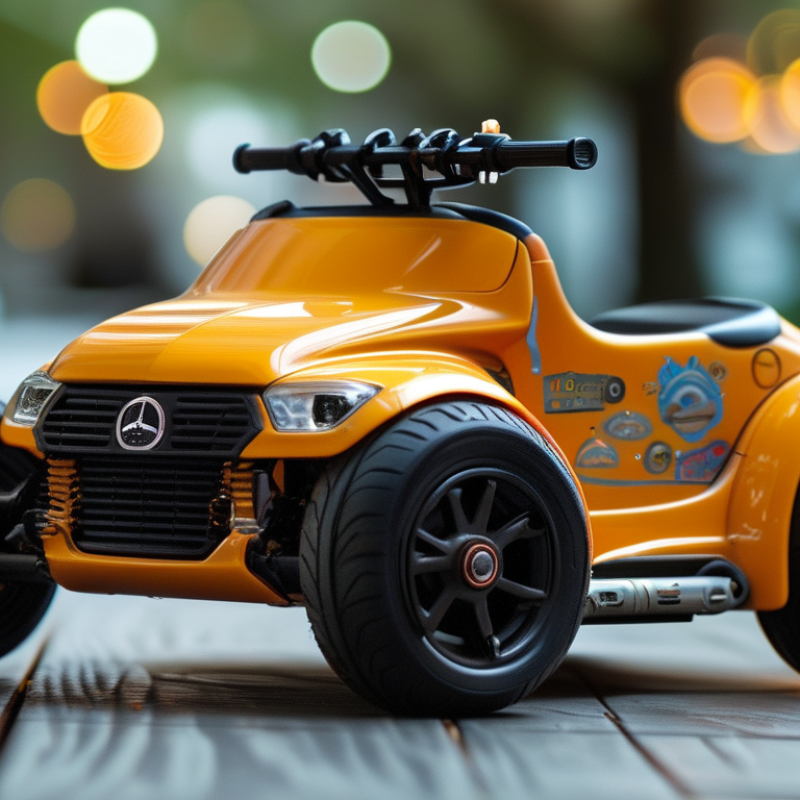
Top 10 Reasons Why Is My Ride On Car Not Working?

Common Electrical Issues Affecting Ride On Cars

Ride-on cars can deliver hours of fun for children. However, when these cars stop working, it can be frustrating. Common electrical issues often cause these problems. Understanding these issues can help parents troubleshoot effectively.

One frequent problem is a dead battery. It can happen if the car is not charged regularly. Sometimes, connections to the battery might corrode, leading to poor performance. Parents should inspect the wiring for any signs of wear and tear. Loose connectors can also prevent the car from receiving power. Checking these connections can save time and reduce stress.

Another issue arises from the motor itself. A faulty motor can halt a ride-on car completely. Parents might notice unusual sounds when the car is in use. This could indicate electrical problems. A careful examination may reveal burnt wiring or damaged components. Addressing these concerns promptly will ensure a safe and enjoyable experience for kids.

Battery Problems and Solutions for Your Ride On Vehicle

Battery issues are the most common reason for a ride-on car malfunctioning. Low battery power can leave your vehicle motionless. Regular checks can help identify this problem early. Ensure that the battery is fully charged before every ride. If the battery isn’t holding a charge, it may need replacement.

Another issue could be corroded battery terminals. Corrosion can block power flow. Clean the terminals regularly to maintain good connections. Always use a damp cloth and a little baking soda for cleaning. Additionally, check the battery cables for any signs of wear. Loose or frayed cables can lead to further problems.

Over time, even a good battery can fail. Monitor the battery age and performance closely. If your ride-on car struggles to start, it may signal an underlying issue. Evaluating these aspects can prevent frustration later. Remember, every ride should be enjoyable, yet our machines need care. Regular maintenance is key to a safe and fun driving experience.

Top 10 Reasons Why Is My Ride On Car Not Working?

Checking the Charging System of Your Ride On Car

When your ride on car isn’t working, the first place to check is the charging system. A faulty battery or charging port can often be the culprit. Make sure the charger is plugged in properly. Look for any damage to the charging cord. If you notice any fraying or breaks, it may need replacing.

Take a moment to inspect the battery connections. Loose or corroded terminals can disrupt power flow. Clean any corrosion carefully using a mild solution. Ensuring a solid connection can sometimes resolve the issue.

Tips: Always store your ride on car in a dry environment. Moisture can cause damage to the electrical components. Check the battery voltage if the car doesn’t charge. If it’s below the recommended level, it may need replacement. Regular maintenance can prevent many common issues.

Troubleshooting Mechanical Failures in Ride On Cars

When your ride-on car stops working, it can be frustrating. Mechanical failures can stem from various issues. Check the battery first. A drained battery is a common culprit. If it’s old, consider replacing it. Ensure connections are tight and free from corrosion. If the vehicle isn't charging, inspect the charger for faults.

Wheels also play a crucial role in functionality. Over time, they can get stuck. Inspect each wheel for debris. Look for signs of wear and tear. Disconnected gears might also be an issue. If you hear strange noises, that’s a warning sign. It’s important to listen closely to the car’s sound. Sometimes, the solution requires dismantling parts for a closer look.

Internal wiring may also fail. Frayed or broken wires can cause shorts. It’s a good practice to examine these regularly. If you’re unsure, consulting an expert could save time. Understanding the mechanics of ride-on cars can make troubleshooting easier. Each failure teaches us more about the vehicle’s design and function.

Preventative Maintenance Tips for Optimizing Ride On Car Performance

Maintaining your ride-on car is crucial for its performance and longevity. Regular inspections can prevent many common issues. According to industry experts, about 25% of ride-on car malfunctions stem from battery-related problems. Check if the battery is charged. Corrosion at connection points can also hinder performance.

Tires are another key area to focus on. Proper inflation improves traction and control. Studies show that under-inflated tires can reduce battery life by up to 15%. Visually inspect them for wear and tear regularly.

Cleaning is essential but often overlooked. Dirt can damage wiring and connections. Experts recommend cleaning your ride-on car to avoid build-up. A simple wash can extend its usability. Maintenance records show that these small actions can significantly enhance your car's performance and reliability.

FAQS

: What is a common reason for a ride-on vehicle malfunctioning?

: Low battery power is a frequent cause of ride-on vehicle issues.

How can I prevent battery problems before a ride?

Ensure the battery is fully charged each time before you ride.

What should I do if the battery doesn’t hold a charge?

If the battery doesn’t hold a charge, consider replacing it.

How can I maintain battery terminals?

Clean corroded terminals using a damp cloth and baking soda.

What do I check if my ride-on vehicle won't start?

Inspect the battery age and performance if the vehicle struggles to start.

What to look for in the charging system?

Check for a properly plugged charger and any damage on the charging cord.

What can moisture do to my ride-on vehicle?

Moisture can damage the electrical components in your ride-on car.

How often should I check my battery cables?

Regularly inspect battery cables for signs of wear or looseness.

What does a low battery voltage indicate?

A low battery voltage suggests that the battery may need replacement.

How can regular maintenance help my ride-on vehicle?

Regular maintenance can prevent many common issues and ensure enjoyable rides.

Conclusion

When facing the frustrating question of "why is my ride-on car not working," it’s essential to consider several common issues that may be at play. Electrical problems, such as faulty wiring or blown fuses, are frequent culprits that can disrupt the vehicle's functionality. Additionally, battery-related issues, like a depleted or improperly connected battery, can prevent the ride-on from starting.

To effectively troubleshoot, check the charging system to ensure it is delivering power correctly and inspect for any mechanical failures that could hinder performance. Regular preventative maintenance, including cleaning connections and ensuring all components are in good condition, is crucial for optimizing your ride-on car's performance and longevity. By taking these steps, you can often identify the root cause of the problem and restore your ride-on car to working order.

Charlotte

Charlotte

Charlotte is a seasoned marketing professional with a deep understanding of the company's portfolio and a passion for elevating its presence in the market. With a keen eye for detail and a commitment to excellence, she ensures that our professional blog is regularly updated with insightful articles......