 Toyo Drive
Toyo Drive
Toyo Drive
Are you wondering, "can electric ride-on cars be used on grass"? This question pops up frequently among parents seeking outdoor fun for their kids. According to Dr. Emily Parker, an expert in child mobility safety, "Electric ride-on cars can traverse grass, but it's essential to consider the terrain." Understanding how to navigate grass safely can enhance the enjoyment of these vehicles.
Many electric ride-on cars are designed for varied surfaces, but the condition of the grass matters. Wet or uneven grass can lead to challenges. Safety should always be a priority. Children may encounter difficulties in control, which increases the risk of accidents.
Parents should assess their grass type before letting their children ride. Well-trimmed, dry grass is ideal. It's important for families to observe and supervise. Small obstacles can turn a fun ride into a troublesome experience. By being mindful, parents can ensure safe and enjoyable rides on grass while addressing the limitations of these vehicles.
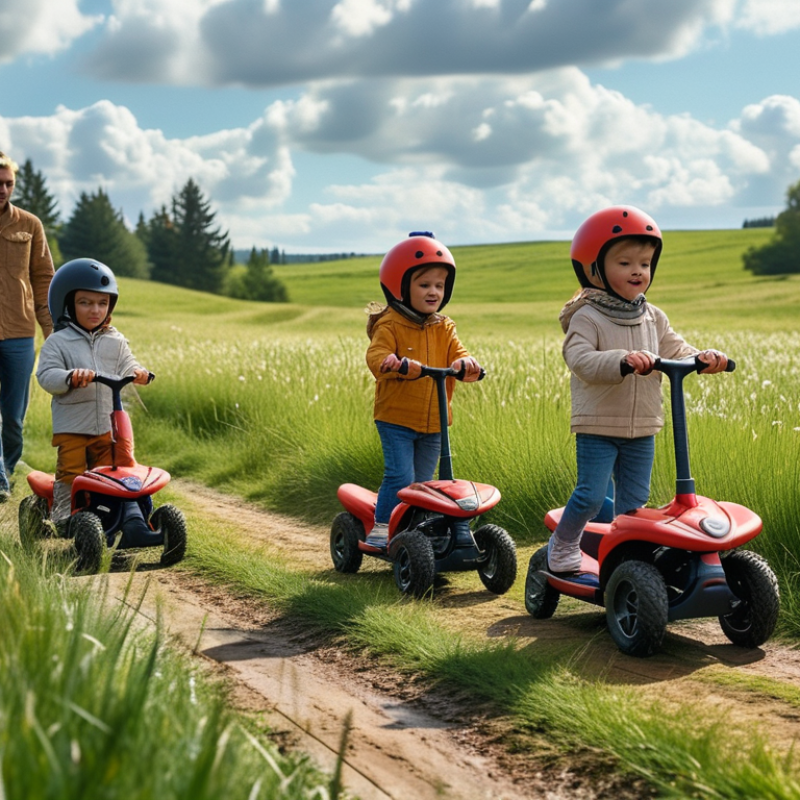
Electric ride-on cars are becoming increasingly popular among children. These battery-powered vehicles offer a fun way for kids to enjoy outdoor play. However, understanding how to use them properly is crucial for safety, especially on grass. Grass surfaces can present challenges that parents should be aware of.
One major concern is weight distribution. Electric ride-on cars can get stuck in soft, muddy grass. It often leads to frustration for both kids and parents. Observing the weight limit is essential. Riders should not exceed the manufacturer's recommendations to prevent accidents. There are times when uneven surfaces may lead to tipping or rolling over. It’s vital to supervise kids closely when they drive on grass, maintaining a safe environment.
Battery life is another point of consideration. Grass can drain battery power more quickly than smooth surfaces. Parents should check the battery before heading outside to ensure a fun and uninterrupted experience. Keeping the area clear of obstacles is important too. Stones, roots, and holes can cause accidents. Taking the time to inspect the grass area beforehand can prevent potential injuries.
| Feature | Description | Safety Tips | Recommended Age |
|---|---|---|---|
| Power Source | Battery-powered for ease of use on various terrains | Ensure battery is fully charged before use | 3-8 years |
| Weight Limit | Most models have a weight limit of 65 lbs | Always check weight capacity before use | 3-8 years |
| Speed Settings | Various speed settings for different skill levels | Start with lower speed for beginners | 3-8 years |
| Tires | Designed for both grass and pavement | Check tire pressure and tread before use | 3-8 years |
| Safety Features | Includes seat belts and parental remote controls | Always use safety features for added security | 3-8 years |
: A reliable speed limiter is essential. It controls maximum speed, ensuring children react quickly to obstacles.
Wide, treaded tires provide better grip, reducing skidding risks. Regular checks for wear are necessary for performance.
Grass can hide hazards like rocks or holes. Checking the ground prevents accidents and ensures a safer experience.
Parents should monitor kids closely. Watch for obstacles and ensure they maintain control while riding.
Create clear riding areas free from trees and fences. This helps kids maneuver safely without distractions.
Helmets protect the child, even if not stylish. Instilling this habit builds a culture of safety for all.
Inspect tires for damage, clean the vehicle, and disconnect the battery to ensure longevity and safety.
Keeping batteries connected and preventing drainage extends their lifespan. Neglect can lead to performance issues.
Regular reflections help assess readiness for grass riding. Each child develops at their own pace; adjust supervision as needed.
Ignoring maintenance can lead to mishaps, especially on uneven grassy surfaces. Regular checks promote safer rides.
Electric ride-on cars have become increasingly popular for children, but many parents wonder, "can electric ride-on cars be used on grass?" The answer is yes, but understanding the vehicle and ensuring safety features are in place is crucial. Key safety features, such as sturdy construction and appropriate speed limits, help mitigate risks while navigating grassy terrains.
Preparing the grass surface by ensuring it is free of debris and level can enhance the riding experience. Parents should also supervise their children closely to prevent accidents and maintain a safe environment. Additionally, after using electric ride-on cars on grass, a thorough maintenance checklist, including cleaning the wheels and checking battery performance, should be adhered to ensure ongoing safety and functionality.
