Toyo Drive
Toyo Drive
Toyo Drive
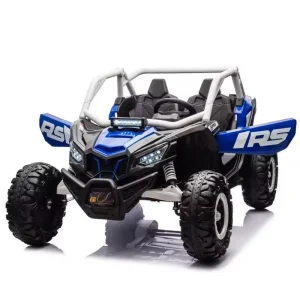
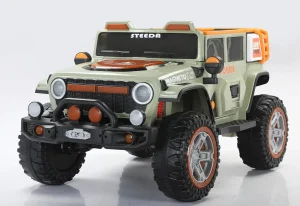
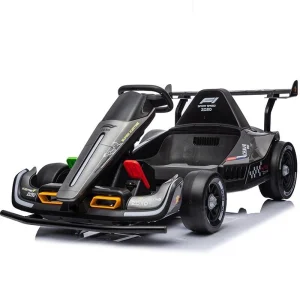
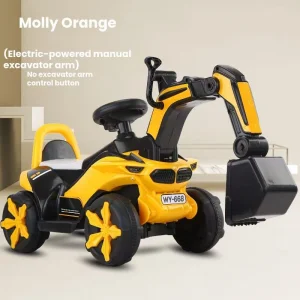
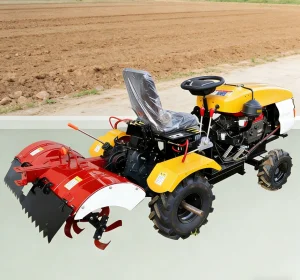
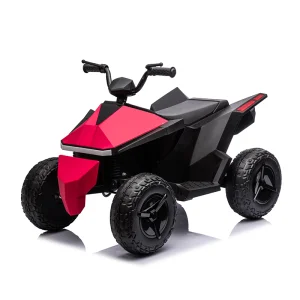
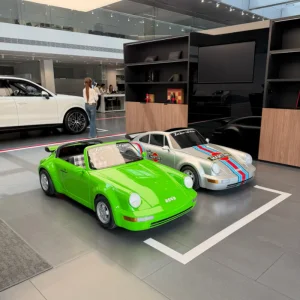
The global demand for electric ride-on vehicles has transitioned from basic plastic toys to highly sophisticated mini-mobility systems. Incorporating advanced battery chemistries (LFP/Lithium-Ion), high-efficiency brushless DC (BLDC) motors, and smart phone application integrations, this segment is growing rapidly. Industry analysts estimate the smart juvenile mobility sector to reach a valuation of $4.8 billion by 2028.
Global buyers, from large-scale amusement park operators to high-street retail networks, are shifting procurement priorities. There is a strong preference for durable, long-life, smart-connected electric vehicles (EVs) that feature realistic vehicle dynamics, digital diagnostics, and comprehensive parental safety control mechanisms.
China stands as the global production engine for smart battery-operated vehicles, producing over 85% of global output. The primary advantage of sourcing from Chinese manufacturing centers—particularly within the Guangdong industrial cluster—lies in supply chain concentration.
Factories here have immediate, localized access to precision plastic injection tooling, state-of-the-art battery management systems (BMS), high-precision gearboxes, and automated paint spraying operations. This density allows for short development cycles, competitive manufacturing costs, and reliable scaling.
Operating in this sector requires strict compliance with international safety protocols. Safety guidelines mandate rigorous mechanical, structural, chemical, and electrical safety controls.
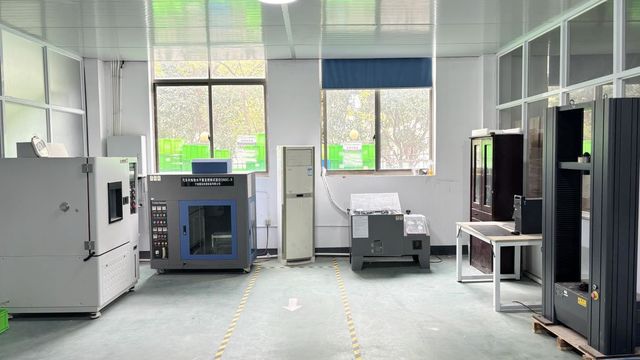
Leading manufacturers subject their designs to dynamic stability testing, impact drop tests, mechanical wear assessments, and strict chemical testing (e.g., phthalate, lead, and heavy metal content analysis under EN71 and ASTM F963). Electrical assemblies must carry comprehensive short-circuit protection, over-current cutoff, and temperature monitoring capabilities.
Dongguan Toyo Drive Co., Ltd. is a leading China electric ride-on car manufacturer specializing in the design, development, and production of kids' battery-powered vehicles and customized OEM/ODM ride-on toy solutions. With extensive experience in the children's mobility and toy industry, Toyo Drive is dedicated to delivering innovative, safe, and high-quality ride-on products for global brands, distributors, retailers, and importers.
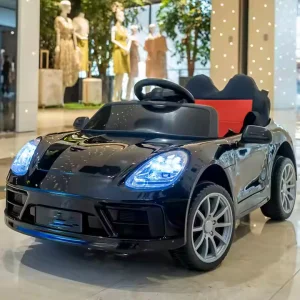
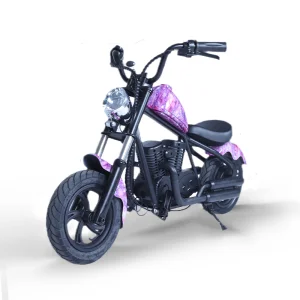
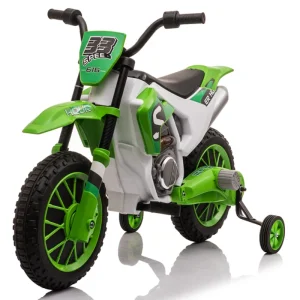
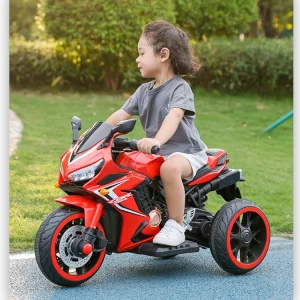
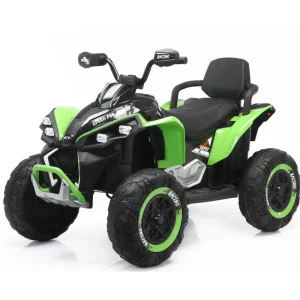
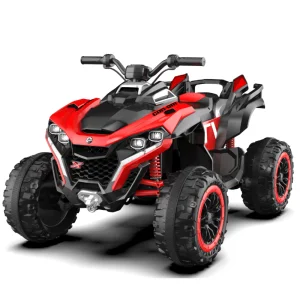
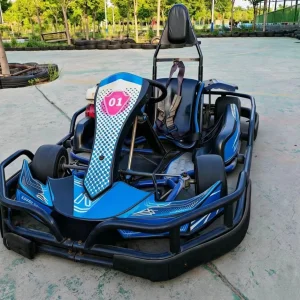
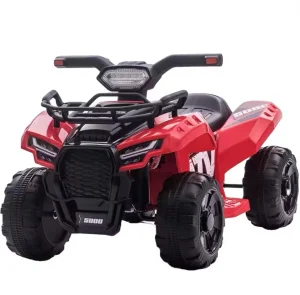
Our comprehensive product portfolio includes electric ride-on cars, battery-powered SUVs, ride-on trucks, ATVs, go-karts, motorcycles, licensed ride-on vehicles, and remote control ride-on toys. Designed with children's safety, entertainment, and comfort in mind, our products combine realistic styling, advanced features, and durable construction to create enjoyable riding experiences for young users worldwide.
Modern battery-operated cars are no longer restricted to residential backyards. Their high durability, programmable speed controls, and smart telematics systems make them highly suitable for a variety of professional and commercial applications, including:
The incorporation of smart technologies is driving significant development in the electric ride-on toy sector. Current generation units feature:
At Dongguan Toyo Drive Co., Ltd., quality and safety are our highest priorities. Our modern manufacturing facilities are equipped with advanced production technologies and strict quality management systems to ensure every product meets international safety and performance standards. From raw material selection to final inspection, each ride-on vehicle undergoes rigorous testing to guarantee reliability, durability, and user satisfaction.
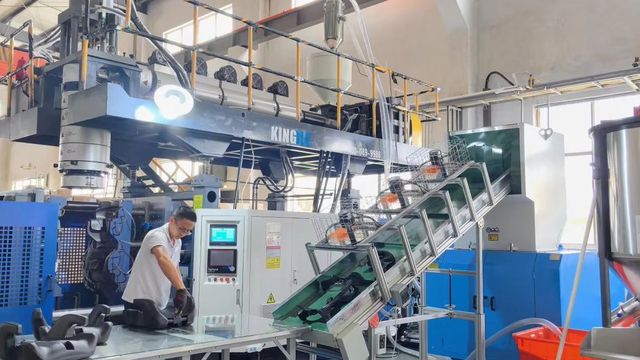
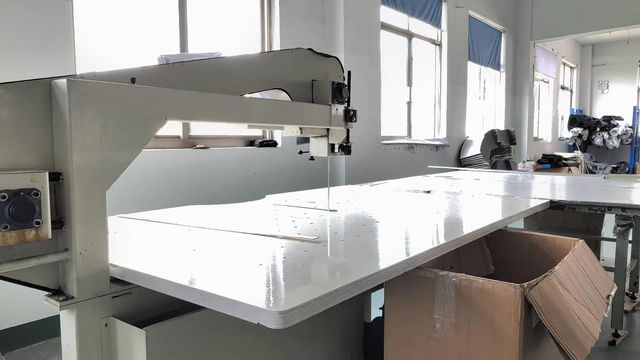
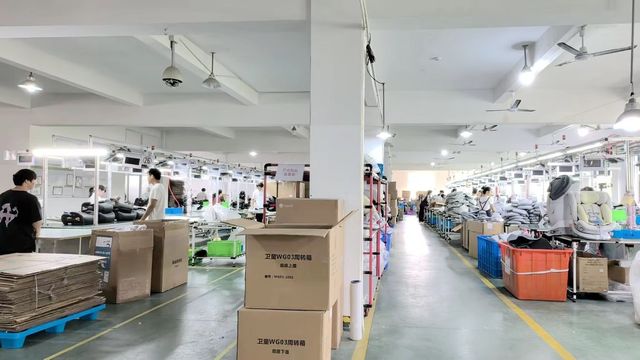
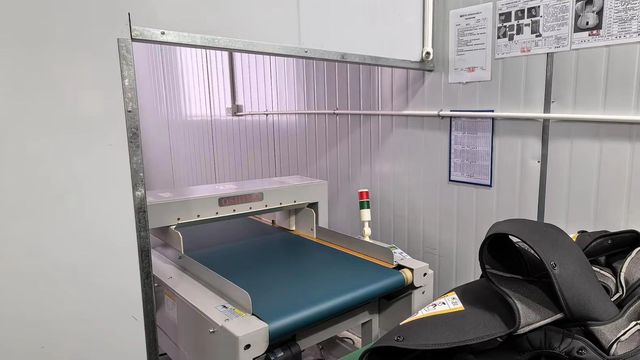
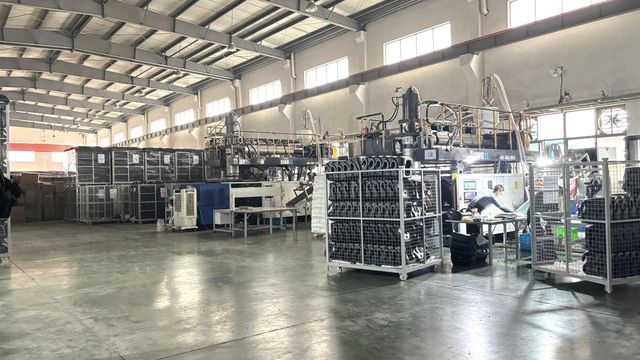
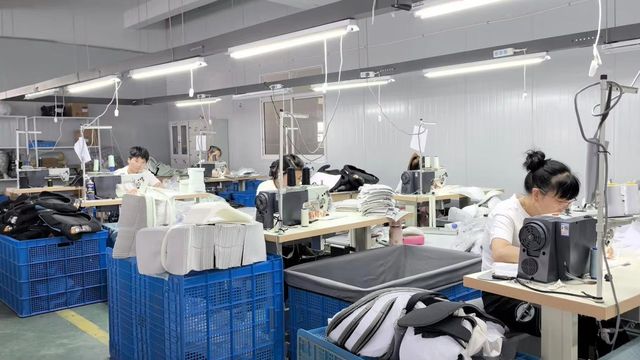
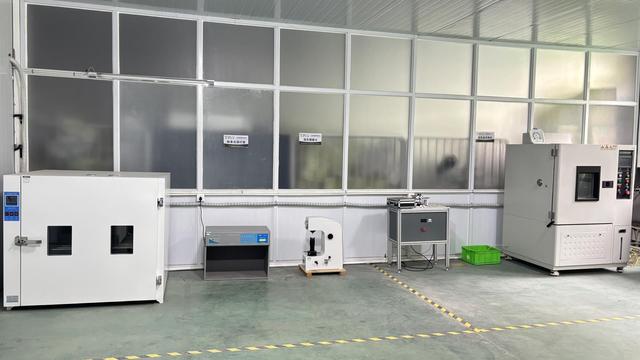
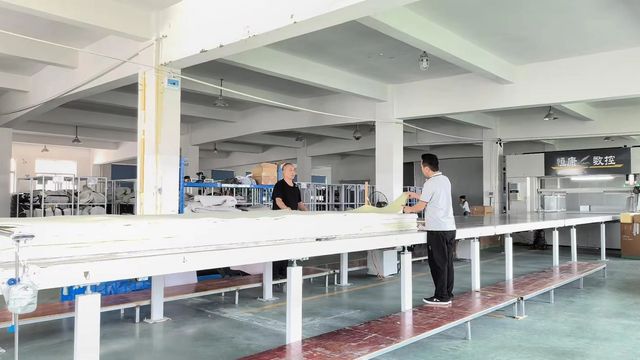
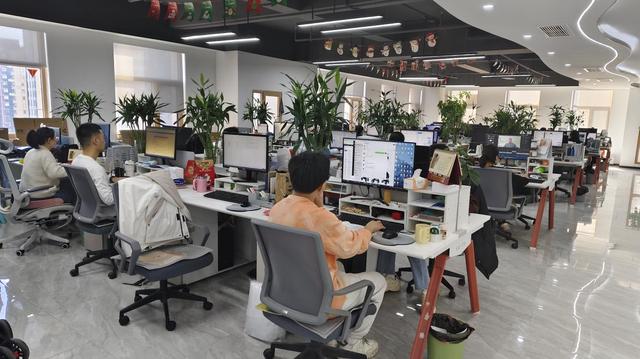
As a trusted OEM and ODM ride-on toy factory in China, we provide comprehensive customization services, including vehicle design, mold development, color customization, logo printing, packaging solutions, and private label manufacturing. Our experienced R&D team continuously follows global toy market trends and develops innovative products that help customers strengthen their brand competitiveness.
To ensure a smooth transition from procurement to customs clearance, global buyers should confirm that their manufacturing partners adhere to these standard procurement stages:
We verify the product's structure using 3D CAD modeling and rapid-prototype printing to test chassis dynamics, weight distribution, and component locations before tooling development.
Every production batch is tested in accredited third-party labs to meet chemical, mechanical, and battery regulations like CPSIA, CE, GCC, and UL.
Lithium-based products require specialist dangerous goods shipping paperwork (UN38.3, MSDS) to ensure smooth container shipment and custom clearances worldwide.
Typically, our Minimum Order Quantity (MOQ) for standard configurations is 50-100 units per model. For complete OEM custom body colors, unique plastic molds, or licensed branding decals, the MOQ generally starts at one 20ft or 40ft High Cube container, depending on the complexity of the adjustments. This allows us to optimize manufacturing cycles and keep pricing competitive.
Under global logistics frameworks, battery-operated ride-ons containing lithium cells are classified as Class 9 Dangerous Goods. We provide complete UN38.3 test results, Material Safety Data Sheets (MSDS), and Sea/Air Transport Safe Certificates. This ensures full compliance with international maritime shipping standards, preventing custom delays at entry ports in the EU, US, and Middle East.
Yes. We have developed modular Smart Control Units (SCU) that can be integrated into our standard 12V and 24V ride-on chassis. These controllers support Bluetooth connectivity and can link to custom iOS and Android applications. This setup enables features like digital speed limiting, tracking battery levels, remote parent controls, and playing custom music.
For North America, products must comply with ASTM F963 (Standard Consumer Safety Specification for Toy Safety) and the Consumer Product Safety Improvement Act (CPSIA). For Europe, compliance with EN71 (parts 1, 2, and 3) and EN62115 (electrical toy safety) is required, along with a CE declaration of conformity. We provide full documentation and compliance certifications for all targeted export territories.
Standard lead-acid batteries provide approximately 200-300 charge-discharge cycles before capacity drops. For high-demand applications, we offer Lithium Iron Phosphate (LiFePO4) alternatives, which support over 1,500-2,000 cycles. All electrical systems include a built-in Battery Management System (BMS) to protect against over-charging, deep discharging, and overheating.