Toyo Drive
Toyo Drive
Toyo Drive
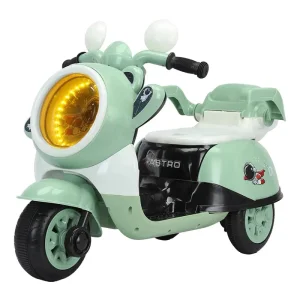
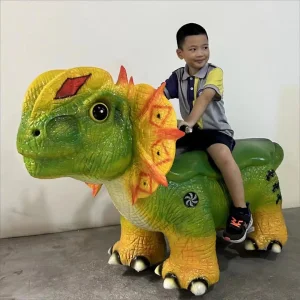
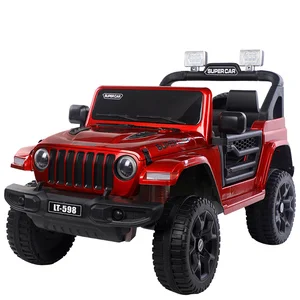
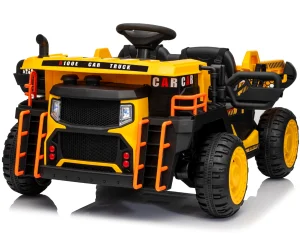
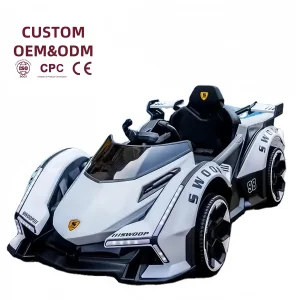
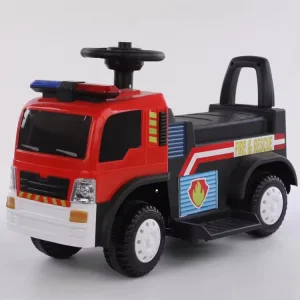
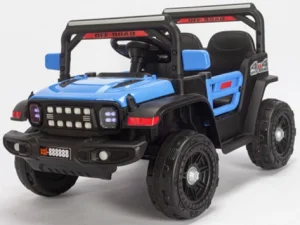
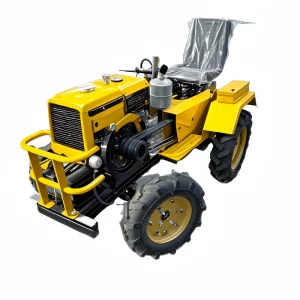
The global youth electric mobility and kids' electric ride-on toy industry is undergoing a monumental shift. Historically structured around basic plastic playthings, the segment has rapidly converged with the technological advancements of the commercial micro-mobility sector. Key industry reports project that the kids' electric car and bicycle market will expand significantly over the next decade, propelled by advancements in high-density lithium energy storage, smart remote override systems, and robust structural frames.
As consumer preferences align with adult e-mobility trends, modern parents and commercial operators demand longer run times, advanced safety parameters, and materials that minimize environmental impact. The integration of 2.4G Bluetooth remote control networks, smart battery management systems (BMS), and dual-drive motor setups has transformed the segment from simple toys into precision-engineered miniature electric vehicles.
Today's downstream global brands require supply chains that are agile, reliable, and compliant with rigorous global toy directives such as Europe's EN71, North America's ASTM F963, and Gulf Standards Organization (GSO) regulations. Finding a factory that matches these demands necessitates looking directly at advanced manufacturing hubs.
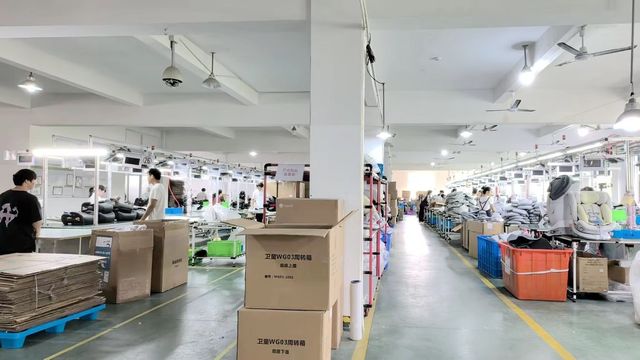
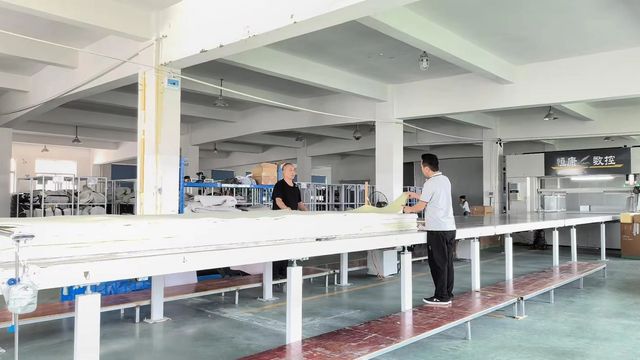
Based in the global manufacturing hub of Guangdong, Dongguan Toyo Drive Co., Ltd. stands at the forefront of kid’s electric ride-on toy design, development, and production. As a specialized manufacturer of battery-powered vehicles and OEM/ODM toy solutions, we cater to demanding importers, distributors, and global retail networks. Our operations are driven by a commitment to combining authentic styling, advanced safety features, and structural durability.
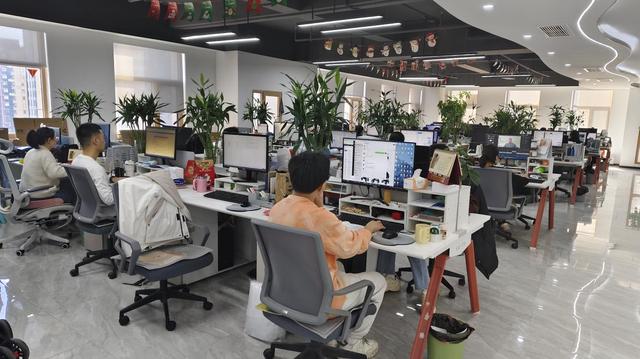
Our dedicated R&D division utilizes modern CAD and simulation systems to engineer chassis structures that handle dynamic impacts while optimizing center-of-gravity parameters to prevent rollovers.
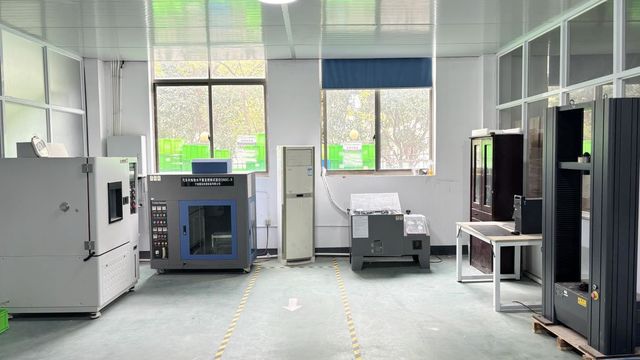
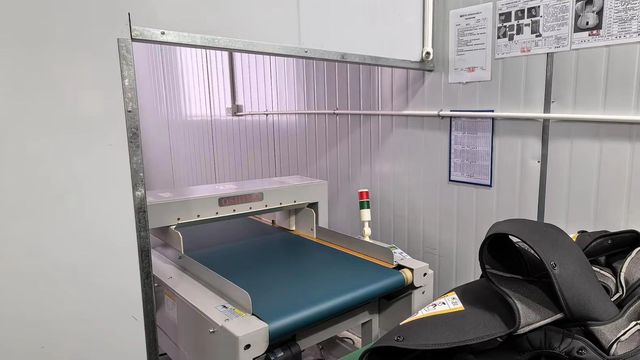
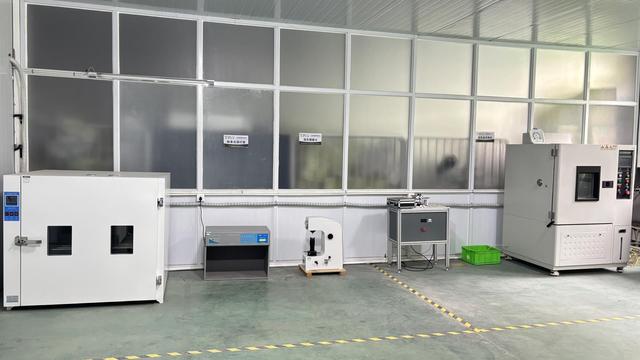
Every vehicle, whether it utilizes a 12V SLA battery or a high-performance lithium pack, goes through multi-stage quality control checks, including drop tests, load-bearing tests, and battery discharge calibration.
We provide full custom tooling development, electronic PCB layout customization, tailored remote control integrations, and custom packaging, helping brands retain an edge in saturated consumer markets.
Dongguan's manufacturing ecosystem provides our global partners with significant cost-performance advantages. China's integrated supply chain clusters ensure that injection molding raw materials, microprocessors, tires, and assembly line components are sourced locally, eliminating lead-time friction. This proximity lowers transport costs and reduces development times during the prototyping phase.
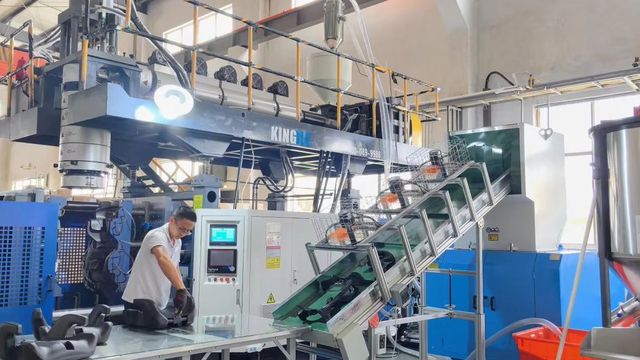
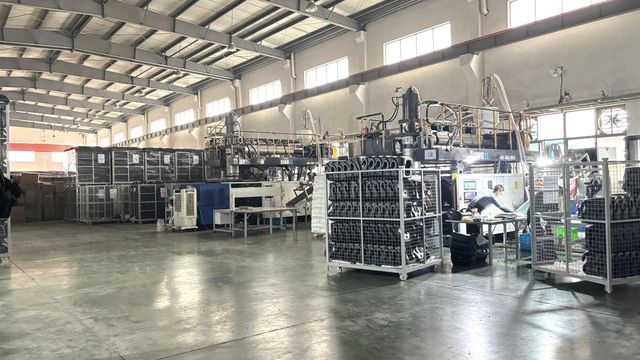
Furthermore, our facility optimizes standard injection molding runs and automates wire harness assembly. This integration allows us to keep minimum order quantities flexible while maintaining cost structures that support distributor and retail margins globally. By choosing an optimized manufacturing partner, businesses bypass secondary markup layers and work directly with engineers who understand complex production tolerances.
Kids' electric vehicles are no longer confined solely to domestic suburban backyards. Dynamic market demands have created specialized product subcategories for distinct localized use-cases:
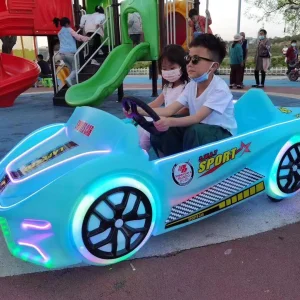
High-use commercial settings require models with reinforced structural shells, non-marking rubber tires, long battery run times, and quick-swap battery setups to maximize daily operating uptime.
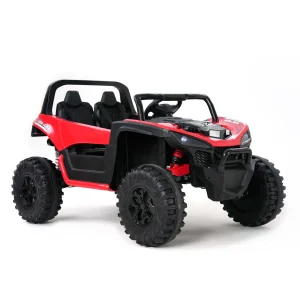
Rugged spaces demand off-road suspension, higher ground clearance, high-torque dual motors (such as 4WD buggy units), and splash-proof electrical systems to protect wiring from mud and moisture.
Residential models prioritize quiet electric motors, non-scuffing materials for indoor floors, compact storage dimensions, and easy assembly systems that simplify post-purchase setup for parents.
Staying ahead in the competitive children's electric vehicle space requires tracking several key technology trends. Over the next three years, our R&D pipeline focuses on integrating the following system improvements:
Our standard minimum order quantity (MOQ) for electric ride-on cars generally ranges from 50 to 100 units per model, depending on custom requirements. For fully customized body shell injection molds (OEM/ODM projects), the developmental lead time takes approximately 45 to 60 days from final CAD sign-off to sample completion.
We design all electric ride-on products to meet global regulatory requirements. Each production run is certified by accredited third-party testing institutions (such as SGS or TÜV) to verify compliance with EN71-1/2/3 (Europe) and ASTM F963 (USA). Additionally, our batteries and chargers carry UL, CE, and RoHS markings, with integrated protective circuits to prevent over-current and thermal overloading.
Yes, we provide full private label branding services. We support custom screen printing, decal applications, specific injection-molded plastic color matching (using Pantone specifications), custom-designed manual prints, and retail packaging layouts.
We supply both traditional Sealed Lead Acid (SLA) configurations (6V, 12V, and 24V) and advanced Lithium-ion (Li-ion) systems. While SLA batteries remain cost-effective, our Li-ion solutions offer higher energy density, lower overall vehicle weight, faster charging times, and up to three times the life cycle capacity.
To maximize container volume and reduce ocean freight costs, we design our products for Semi-Knocked-Down (SKD) packing. Critical assemblies like gearboxes and wiring looms are installed at the factory, while wheels, steering rods, and wind deflectors are packed for tool-free or quick assembly by the end-user or warehouse staff.
We back our production quality with a 1-year structural and electrical warranty. For bulk orders, we provide 1% to 2% spare components (such as gearboxes, steering motors, mainboards, chargers, and remotes) free of charge to facilitate quick local servicing for your customers.