Toyo Drive
Toyo Drive
Toyo Drive
Direct supply-chain solutions tailored for the Pennsylvania, New Jersey, and Delaware regional toy markets.
As a cornerstone of the US Eastern Seaboard, the Philadelphia metropolitan area serves as a primary logistics artery for consumer goods, particularly in the bulk importation and regional distribution of children’s recreational electric mobility. Driven by modern maritime expansions at PhilaPort (The Port of Philadelphia) and robust interstate connection points along the I-95 corridor, Philadelphia has evolved into a strategic haven for commercial toy wholesalers, department store buyers, and e-commerce distribution centers.
For global enterprise buyers importing battery-powered ride-on cars, navigating the regional distribution landscape requires a strong alignment between manufacturer-level compliance and local logistics efficiency. The Tri-State area demands products that align with rigorous state-level and federal regulatory bodies (including the Consumer Product Safety Commission - CPSC) while maintaining highly optimized packaging schemas that minimize shipping container drayage costs from port-to-warehouse.
Addressing the critical performance, safety, and supply-chain metrics demanded by high-volume importers.
When purchasing children's battery-operated cars in container volumes, importers must prioritize engineering stability. Structural defects, battery cell failures, and cheap plastics translate directly into costly retail chargebacks and brand damage.
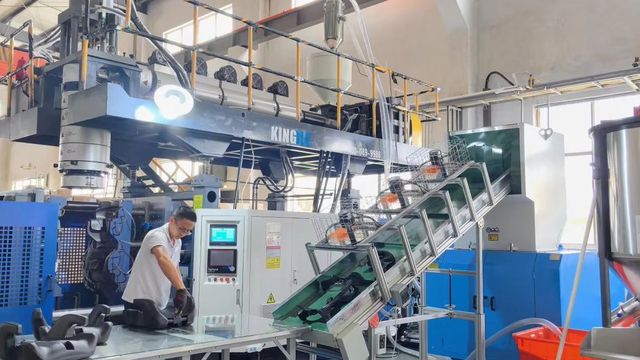
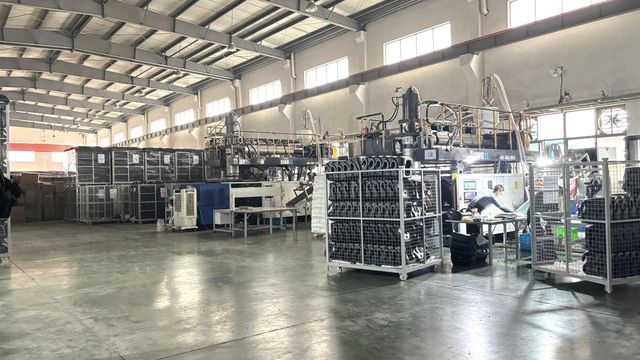
Our manufacturing processes leverage high-precision injection molding machines, ensuring uniform thickness across the vehicle chassis. This structural rigidity prevents stress fractures during ocean transit and rugged play. Furthermore, every batch of polypropylene (PP) plastic is validated to ensure zero lead or heavy metals content, mitigating regulatory recalls at US customs borders.
On the electrical side, our proprietary integrated circuit designs incorporate overcurrent, thermal, and short-circuit protections. This system safeguards the vehicle during the high amp-draw sequences common when kids ride on uneven surfaces or grass, securing a reliable performance lifespan that keeps customer returns below industry-standard thresholds.
Establishing an importing partnership requires structured, measurable checkpoints to guarantee consistency from sample approval to full container discharge:
An inside look at the smart features, power distribution architectures, and component safety designs powering modern ride-on vehicles.
High-torque 12V and 24V DC brush motors mated to steel gearboxes. Delivers consistent traction across varied terrain without premature gearbox stripping.
Smart speed ramping modules prevent sudden, jerky starts. Protects toddler necks from sudden backward whiplash through linear acceleration curves.
Continuous frequency-hopping remote communication. Allows parent override with immediate braking and control handovers up to 30 meters away.
As kids' smart products evolve, battery-operated ride-on vehicles are incorporating more complex technologies. Toyo Drive is at the forefront of this integration. We are systematically transitioning from traditional sealed lead-acid (SLA) configurations to lightweight lithium iron phosphate (LiFePO4) systems. These new options offer up to three times the lifespan, faster charging cycles, and a reduced carbon footprint.
Simultaneously, our digital development pipeline focuses on Bluetooth dashboard integration, app-based parental geofencing capabilities, and energy-recovery braking systems. These additions increase runtime by utilizing regenerative energy captured during decelerations.
To stand out in competitive markets like Philadelphia and larger North American regions, our custom OEM/ODM solutions offer extensive flexibility:
Dongguan Toyo Drive Co., Ltd. is a professional China electric ride-on car manufacturer specializing in the design, development, and production of kids' battery-powered vehicles and OEM/ODM ride-on toy solutions. With extensive experience in the children's mobility and toy industry, Toyo Drive is dedicated to delivering innovative, safe, and high-quality ride-on products for global brands, distributors, retailers, and importers.
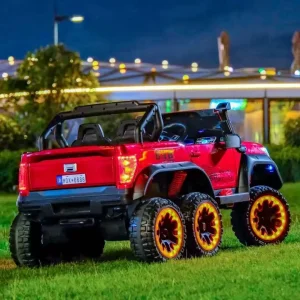
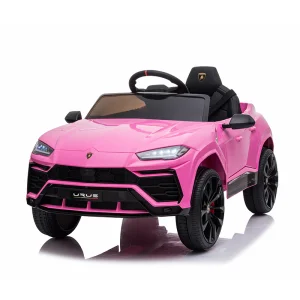
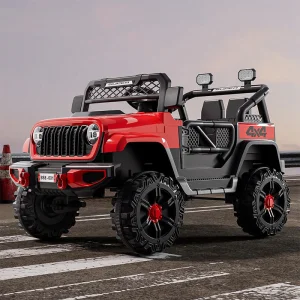
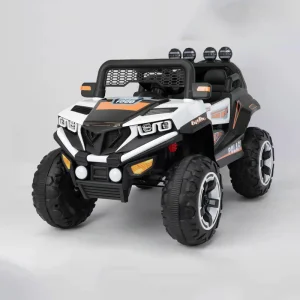
Our comprehensive product portfolio includes electric ride-on cars, battery-powered SUVs, ride-on trucks, ATVs, go-karts, motorcycles, licensed ride-on vehicles, and remote control ride-on toys. Designed with children's safety, entertainment, and comfort in mind, our products combine realistic styling, advanced features, and durable construction to create enjoyable riding experiences for young users worldwide.
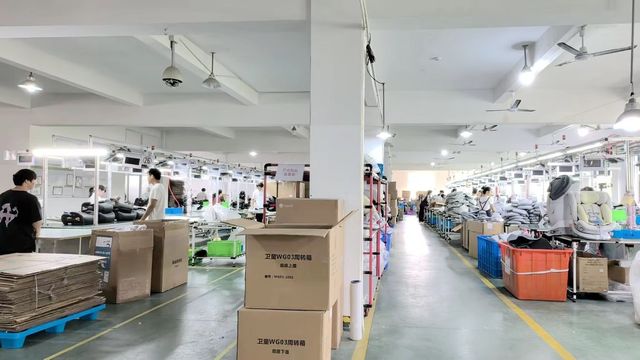
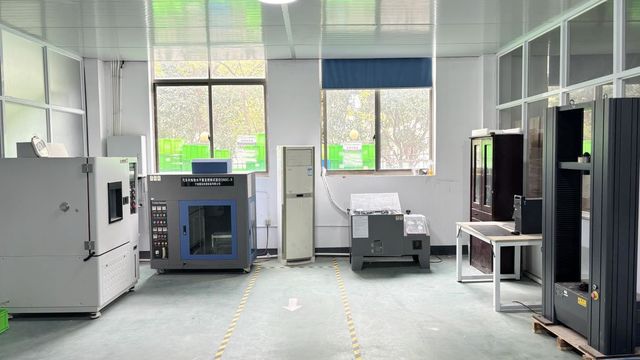
At Toyo Drive, quality and safety are our highest priorities. Our modern manufacturing facilities are equipped with advanced production technologies and strict quality management systems to ensure every product meets international safety and performance standards. From raw material selection to final inspection, each ride-on vehicle undergoes rigorous testing to guarantee reliability, durability, and user satisfaction.
As a trusted OEM and ODM ride-on toy factory in China, we provide comprehensive customization services, including vehicle design, mold development, color customization, logo printing, packaging solutions, and private label manufacturing. Our experienced R&D team continuously follows global toy market trends and develops innovative products that help customers strengthen their brand competitiveness.
Serving customers across North America, Europe, the Middle East, Southeast Asia, and other international markets, Dongguan Toyo Drive Co., Ltd. has established long-term partnerships based on superior quality, innovative products, and dependable service. We strive to become your reliable partner for kids' battery-powered vehicles and customized electric ride-on toy solutions worldwide.
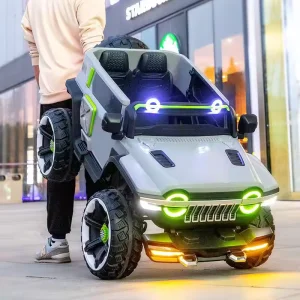
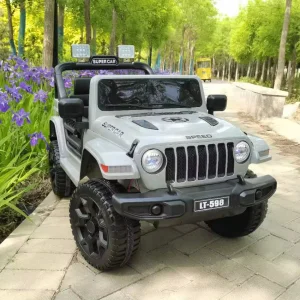
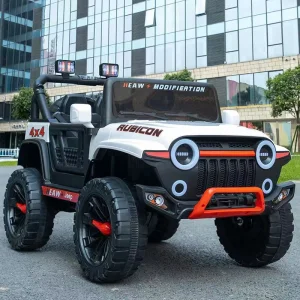
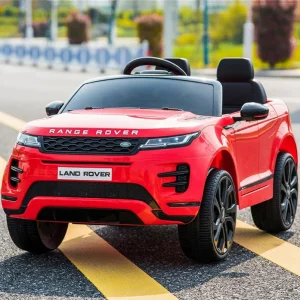
Explore our complete lineup of licensed and off-road models optimized for immediate container shipment to North American ports.
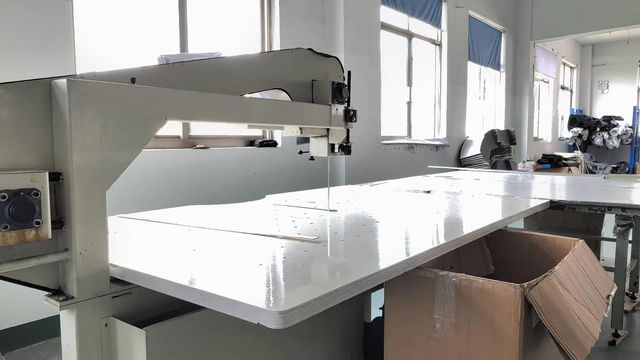
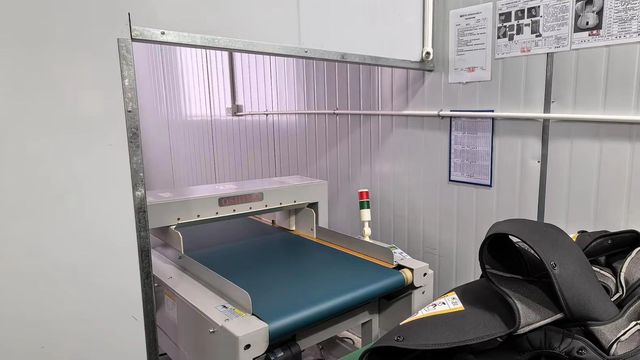
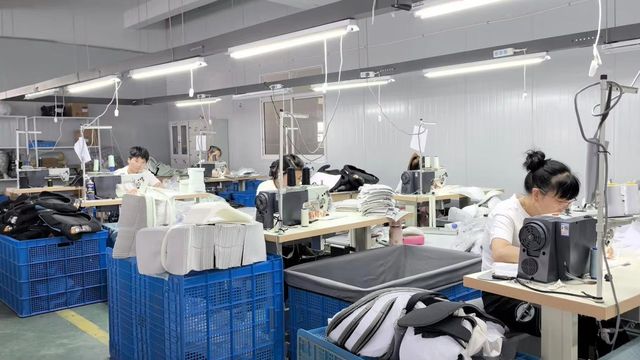
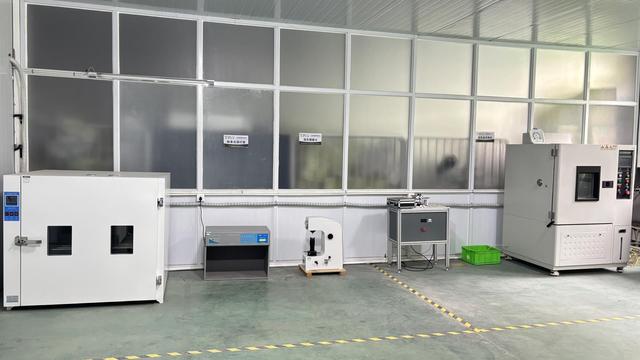
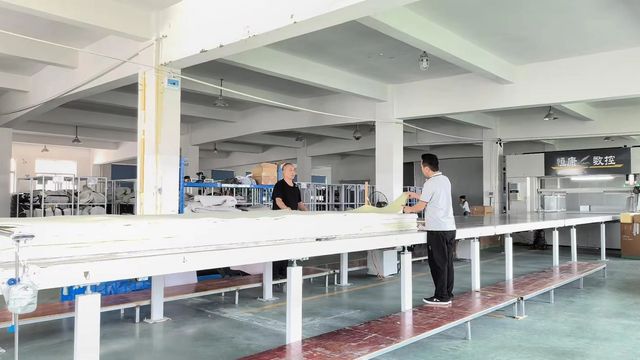
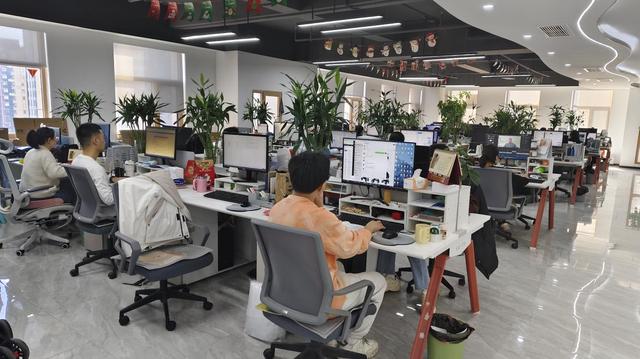
Take an inside look at our state-of-the-art injection molding bays, automated testing units, and pre-loading container zones.
Answering key operations, regulatory compliance, and logistics questions for importers distributing in Philadelphia and wider North American markets.
A: All kids' battery-powered cars imported into the United States must strictly adhere to the ASTM F963-17 standard (Standard Consumer Safety Specification for Toy Safety). This includes comprehensive laboratory testing for lead paint, phthalates, small parts hazards, and battery safety. Furthermore, chargers and electrical circuits must hold UL listings, and remote control systems must comply with FCC Part 15 regulations.
A: We design our ride-on cars with knock-down configurations (removable steering wheels, windshields, and wheels). This allows us to minimize box volume (measured in CBM). By doing this, we maximize the number of units that can fit inside a 40ft HQ shipping container, effectively lowering the per-unit ocean freight cost from our manufacturing facilities to ports like PhilaPort.
A: Our standard factory production lead time is 25 to 30 days from the receipt of deposit and art validation. For OEM custom projects, the Minimum Order Quantity (MOQ) typically ranges from 50 to 100 units per color per model, depending on whether it utilizes an existing licensed tooling chassis.
A: We include 1% to 2% complimentary spare parts (including replacement motors, control boards, chargers, and tires) with every container shipped. Additionally, we provide digital technical documentation and diagnostic blueprints to support your local customer service department.
A: Yes, we offer product-mixing options inside single container orders to help regional wholesalers maintain balanced inventory levels. Distributors can mix up to 3 or 4 different vehicle models (such as licensed sports cars, larger 2-seater trucks, and ATVs) within a single 40ft HQ container.
A: All our batteries carry official UN38.3 test summaries and MSDS certifications, making them fully compliant with sea transport hazard protocols. The batteries are shipped with safety caps on terminal leads, and they are isolated from electronic controllers during shipping to prevent any parasitical current draw.