Toyo Drive
Toyo Drive
Toyo Drive
Select commercial-grade and licensed children's electric mobility solutions from our manufacturing catalog.
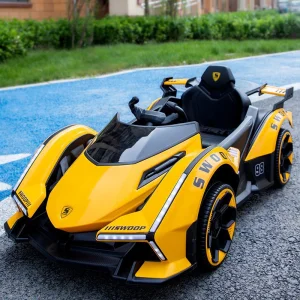
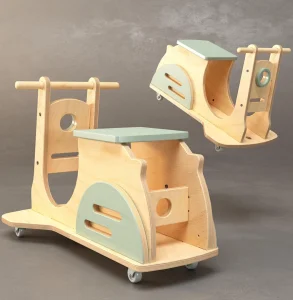
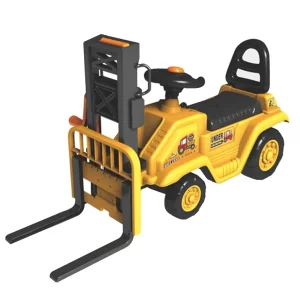
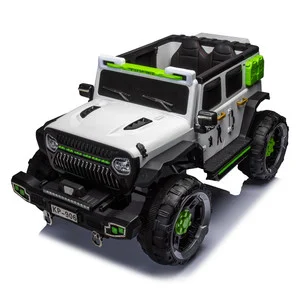
The global micro-mobility market for young demographics is experiencing an unprecedented structural transition. Historically confined to low-voltage toy cars and mechanical push-bikes, the modern children’s outdoor play market is now driven by battery-powered performance vehicles, high-safety electric balancing bikes, and scale-replica smart electric ride-ons. This transformation is fueled by parent-driven shifts toward eco-conscious lifestyles, the miniaturization of lithium-ion energy storage systems, and advanced digital control chips that ensure safety without compromising physical play value.
Information Gain Insight: The integration of brushless DC (BLDC) motors and smart power management modules has redefined the lifecycle of children's electric vehicles. Modern commercial models can now achieve dynamic battery efficiency ratings up to 35% higher than previous-generation SLA (Sealed Lead Acid) configurations, minimizing downtime and optimizing shipping weight profiles for B2B distributors.
From a manufacturing standpoint, finding the right factory is no longer just about price-per-unit. Quality-conscious importers and retail chains are evaluating key metrics: localized legal certifications, chemical security controls of plastics, thermal run-away prevention protocols for rechargeable batteries, and robust post-sale component replacement pipelines. As regulatory watchdogs in North America and Western Europe tighten standards, sourcing from verified suppliers with comprehensive structural test facilities is paramount to avoiding costly product recalls and brand damage.
Global CAGR (2024-2030)
Battery Test Safety Rate
Countries Exported
Critical Recall Incidents
Enterprise buyers looking for high-quality kids' electric bicycles and ride-on vehicles encounter complex compliance layers. The global regulatory grid necessitates exact adherence to regional standards such as ASTM F963 (US), EN71 parts 1-3 (Europe), and UL2272 (Safety requirements for personal e-mobility). An elite supplier must offer documented testing for mechanical integrity, heavy-metal content in surface coatings, phthalate concentration limits, and electromagnetic compatibility (EMC) for radio-controlled override systems.
Standardized production workflows that bridge the gap between quality components and rapid mass customization.
Modern electric vehicles must implement adjustable throttle limits, parent-side wireless control override, and soft-start technology to prevent sudden acceleration injuries in younger operators.
Transitioning from heavy, low-efficiency lead-acid batteries to smart Lithium-Ion and Lithium-Iron-Phosphate configurations, offering shorter charge cycles and triple the working lifespan.
We guarantee 100% virgin polypropylene (PP) formulations free of dangerous plasticizers, ensuring absolute skin-contact safety and long-term UV discoloration resistance in outdoor environments.
An industry-leading OEM/ODM manufacturer specializing in high-performance children's battery-operated vehicles.
Dongguan Toyo Drive Co., Ltd. is a professional China electric ride-on car manufacturer specializing in the design, development, and production of kids battery powered vehicles and OEM/ODM ride-on toy solutions. With extensive experience in the children's mobility and toy industry, Toyo Drive is dedicated to delivering innovative, safe, and high-quality ride-on products for global brands, distributors, retailers, and importers.
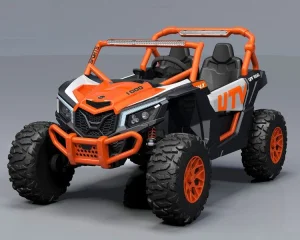
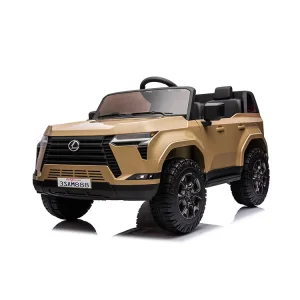
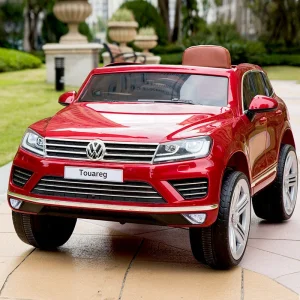
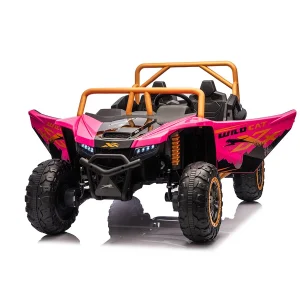
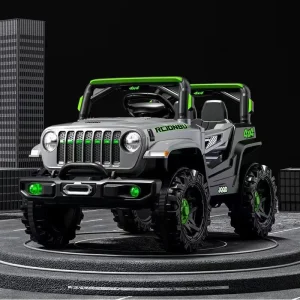
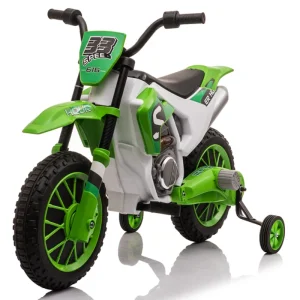
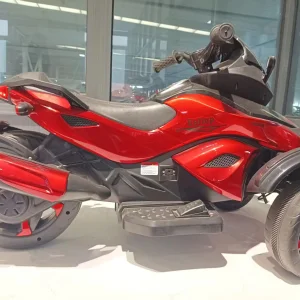
Our comprehensive product portfolio includes electric ride-on cars, battery-powered SUVs, ride-on trucks, ATVs, go-karts, motorcycles, licensed ride-on vehicles, and remote control ride-on toys. Designed with children's safety, entertainment, and comfort in mind, our products combine realistic styling, advanced features, and durable construction to create enjoyable riding experiences for young users worldwide.
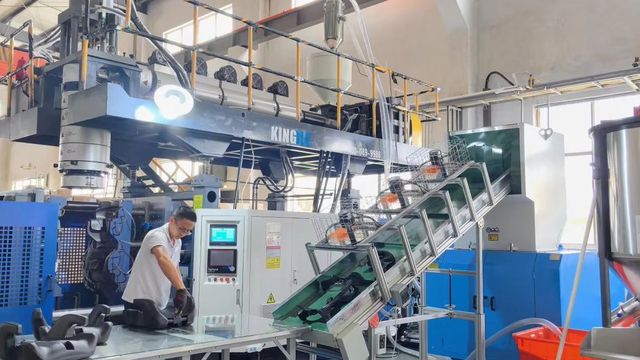
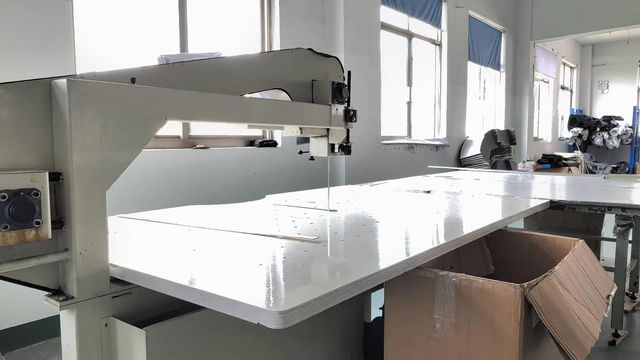
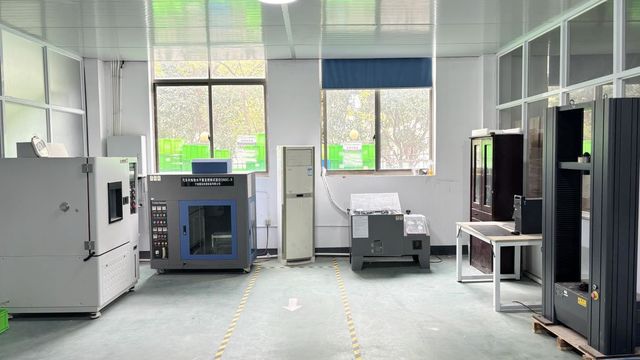
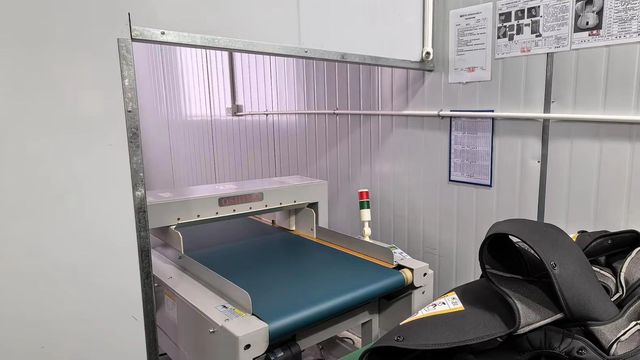
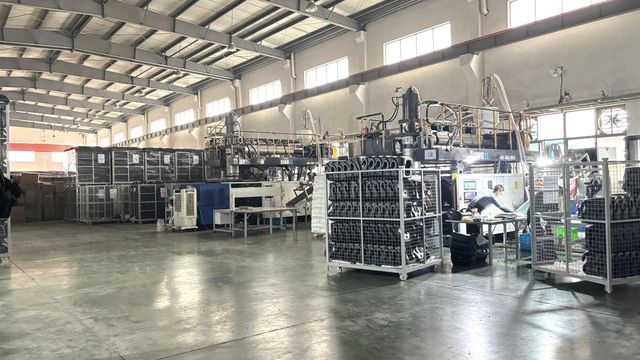
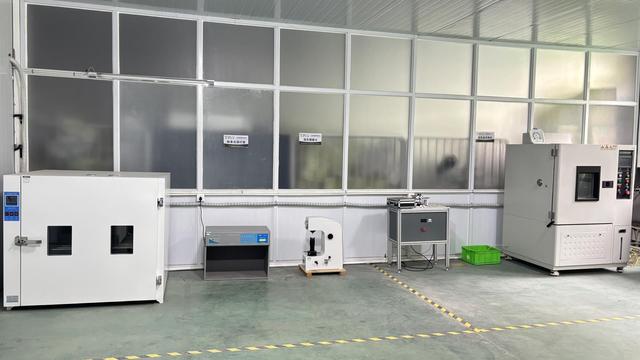
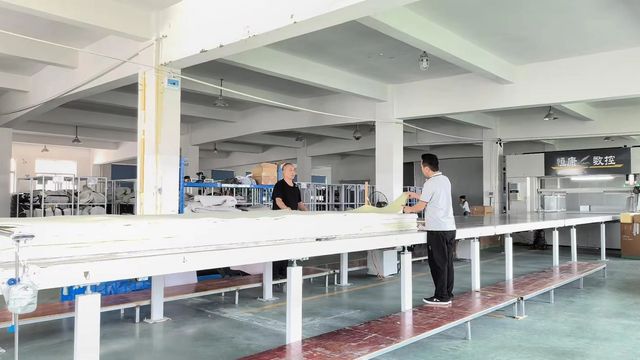
At Toyo Drive, quality and safety are our highest priorities. Our modern manufacturing facilities are equipped with advanced production technologies and strict quality management systems to ensure every product meets international safety and performance standards. From raw material selection to final inspection, each ride-on vehicle undergoes rigorous testing to guarantee reliability, durability, and user satisfaction.
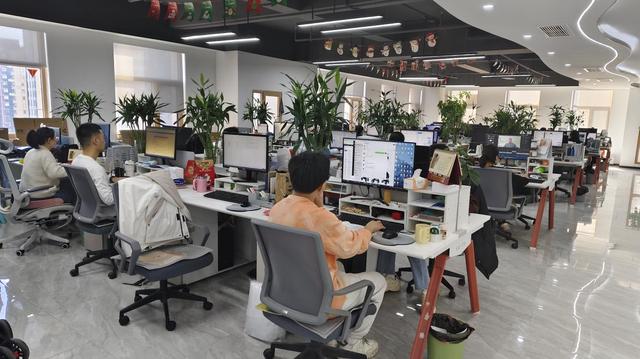
As a trusted OEM and ODM ride-on toy factory in China, we provide comprehensive customization services, including vehicle design, mold development, color customization, logo printing, packaging solutions, and private label manufacturing. Our experienced R&D team continuously follows global toy market trends and develops innovative products that help customers strengthen their brand competitiveness.
Serving customers across North America, Europe, the Middle East, Southeast Asia, and other international markets, Dongguan Toyo Drive Co., Ltd. has established long-term partnerships based on superior quality, innovative products, and dependable service.
Committed to innovation, safety, and customer success, Toyo Drive strives to become your reliable partner for kids battery powered vehicles and customized electric ride-on toy solutions worldwide.
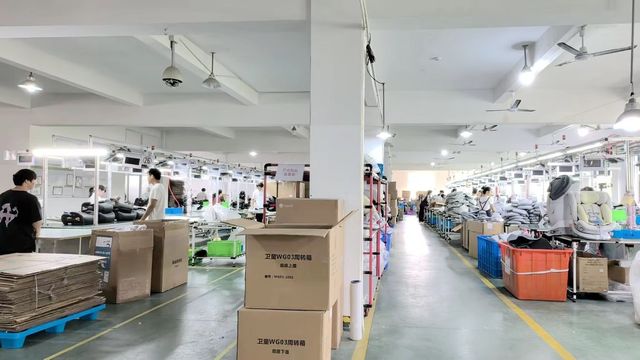
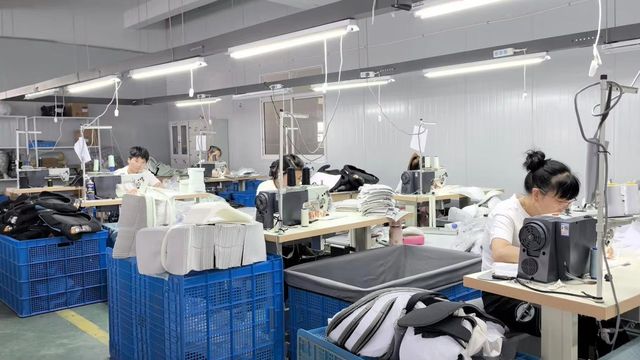
Operating a children’s ride-on brand locally requires agile international suppliers who understand that one size does not fit all. Electrical plugs, charger voltage compatibility (110V vs 220V), user manuals translated with correct regulatory language warnings, and package drop-test ratings (ISTA 1A/3A) represent key failure points for inexperienced manufacturers. Professional suppliers maintain robust localization frameworks that support compliance pipelines from factory gate to home delivery.
We work directly with certified laboratories such as SGS, TÜV, and Intertek to run stress testing on all materials. From analyzing cadmium concentrations in the plastic compound to testing electromagnetic radiation from the remote controller, every design element undergoes validation. This level of quality planning guarantees frictionless customs clearance and shields retail partners from class-action consumer litigation.
The next phase of innovation in kids' electric ride-ons is built on digitalization and connectivity. Advanced electronic control systems are transitioning to dynamic Vector Control, allowing smoother operations, linear braking curves, and significantly reduced gear wear. Additionally, localized environmental detection is moving from basic bumper switches to low-cost ultrasonic obstacle sensing to prevent accidental collisions.
Future Outlook: In the next 36 months, the market will see a wider adoption of fast-charging LFP (Lithium Iron Phosphate) cells. These chemistries feature a thermal runway profile that is far safer than standard cobalt-based formulations, resolving major liability risks for B2B global distributors.
Furthermore, app-based parental configuration controls are becoming standard. Parents can set active zones, restrict maximum speeds based on regional regulations, and monitor vehicle metrics directly on their smartphones. Suppliers positioning themselves for long-term success are actively allocating R&D investments to software integration and modular chassis architectures that speed up manufacturing cycles while lowering development costs.
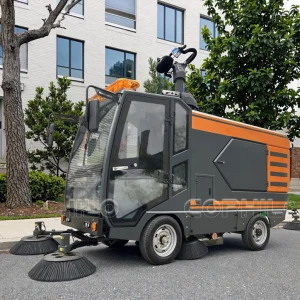
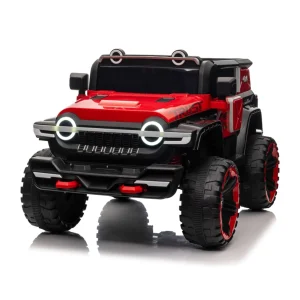
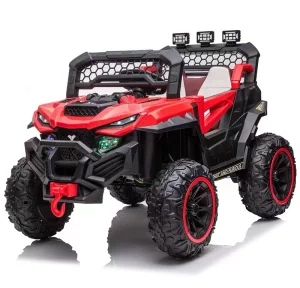
Explore the remaining high-performance battery-operated and specialized kid's utility ride-on vehicles.
Get clear guidance on compliance, production capability, customization limits, and logistical management.
Importers must meet ASTM F963 and CPSIA regulations in the United States, and EN71 (Parts 1, 2, and 3) plus CE directives in the European Union. These verify physical structure, non-toxic properties of plastic components, safety from sharp edges, and electrical isolation ratings of battery packs.
Generally, standard designs require 30 to 45 business days from structural sign-off and deposit receipt. Fully customized ODM projects that require new injection mold development can take 60 to 90 days to allow for tooling, sample proofing, and localized certification testing.
Lithium configurations offer up to three times the energy density, reducing total vehicle weight by nearly 40%. They also double or triple the total charge-discharge cycle life, resulting in fewer warranty claims and significantly reduced shipping costs per unit.
Yes, professional manufacturers typically ship 1% to 2% extra spare parts (such as gearboxes, steering motors, circuit boards, and remote controllers) free of charge with bulk container orders to cover local warranty services.
Vehicles are packaged in semi-knocked-down (SKD) states. Steering wheels, wheels, and seating components are shipped unattached inside a form-fitting carton to optimize shipping volume and reduce sea freight costs per unit.