Toyo Drive
Toyo Drive
Toyo Drive
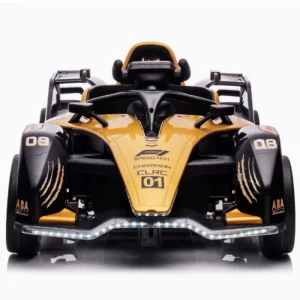
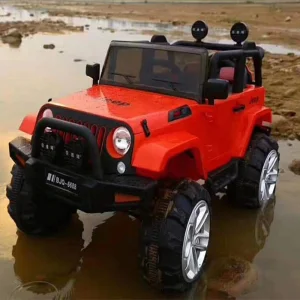
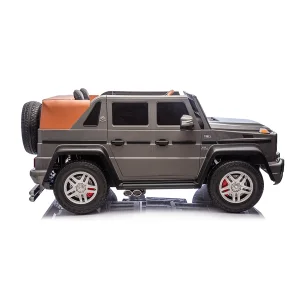
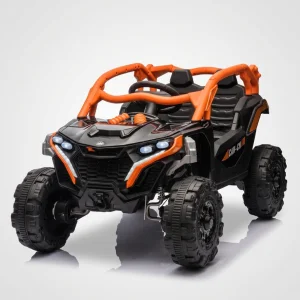
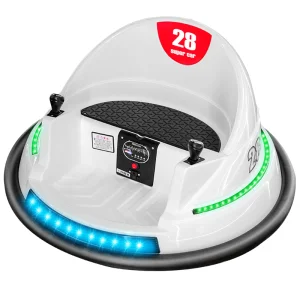
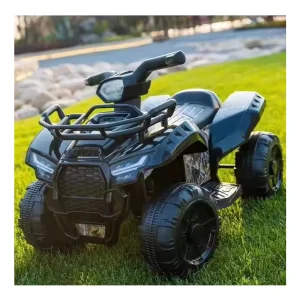
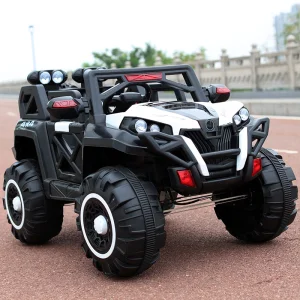
The global juvenile mobility market is undergoing a rapid transition. No longer viewed simply as toys, kids' electric powered vehicles are now engineered with precision electronics, advanced battery chemistries, and complex structural components that mirror full-sized electric passenger vehicles. Major international retail chains, direct-to-consumer e-commerce brands, and specialized toy importers face a complex landscape characterized by volatile consumer demand, stringent regulatory standards, and high shipping volume optimization challenges.
For procurement managers and trade professionals, sourcing from a verified, high-performance manufacturing partner is crucial to ensuring market viability and customer satisfaction. The industry demands robust supply chain systems that mitigate risks associated with materials sourcing, electronics durability, and structural safety. Working with specialized producers like Dongguan Toyo Drive Co., Ltd. allows global buyers to customize vehicles according to regional demands while ensuring that product lifespans meet modern consumer expectations.
SEO Value Increment: Today's semantic search algorithms prioritize "Search Intent Fulfillment" and "Information Gain". When commercial importers search for manufacturing sources, they seek details on structural assembly standards, electronic safety, raw material tracking, and global trade compliance rather than generic marketing language.
Engineering high-grade children's ride-on cars requires balancing cost, performance, and user safety. Below is the technical blueprint that sets leading exporters apart in the international market:
Standard entry-level ride-ons typically rely on 6V or 12V brushed DC motors, which are suitable for toddlers on flat surfaces. However, premium off-road models require 24V or 48V configurations powered by high-torque brushless DC (BLDC) motors. Brushless motors improve energy efficiency by 30-40%, lower operating temperatures, and extend the lifespan of internal drive components.
Modern regulations necessitate advanced Battery Management Systems (BMS). While sealed lead-acid (SLA) batteries remain a reliable choice for standard models, high-performance units are shifting toward Lithium Iron Phosphate (LiFePO4) systems due to their durability and long life. The BMS monitors cell voltages, regulates charging speeds, and provides overcurrent, short-circuit, and thermal protection to prevent overheating during use.
High-quality ride-on vehicles use virgin polypropylene (PP) and high-density polyethylene (HDPE) plastic. These polymers are chosen for their tensile strength, impact absorption, and resistance to environmental stress, preventing structural failure under load. Frame designs are optimized using Finite Element Analysis (FEA) to distribute weight evenly and avoid tipping risks during sharp turns.
Dongguan Toyo Drive Co., Ltd. is a specialized China electric ride-on car manufacturer focused on the design, development, and production of battery-powered kids' vehicles and OEM/ODM toy solutions. With extensive experience in children's mobility and the toy industry, the company delivers safe, high-quality products to global brands, distributors, and importers.
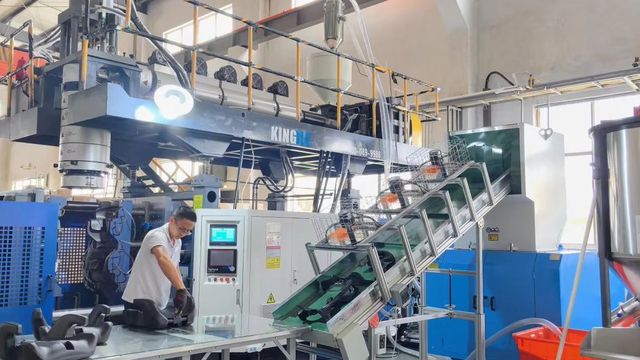
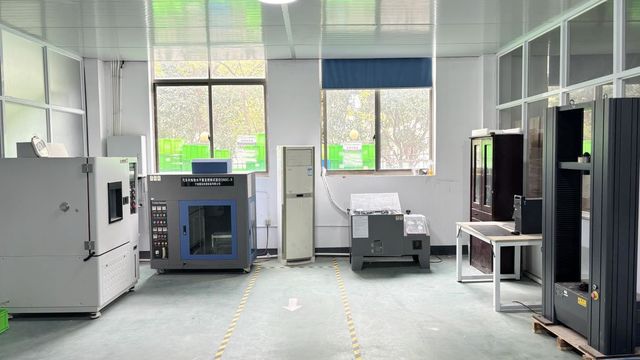
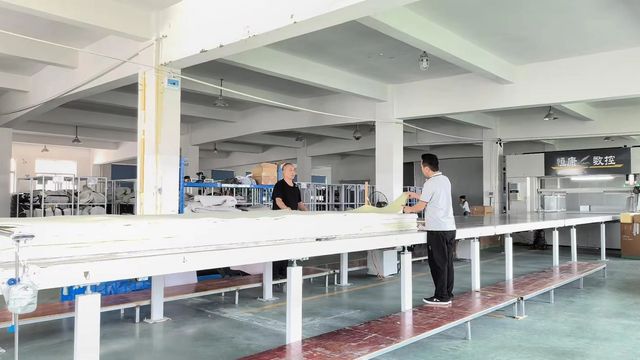
The company’s modern manufacturing facility is equipped with automated injection molding machinery, dynamic testing labs, and multi-stage assembly lines. Every product undergoes strict testing, including drop tests, load-bearing tests, battery life-cycle evaluations, and toxicological screening of plastics. These comprehensive checks ensure compliance with international quality standards.
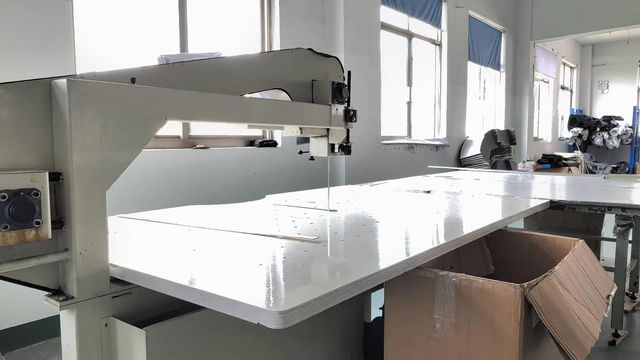
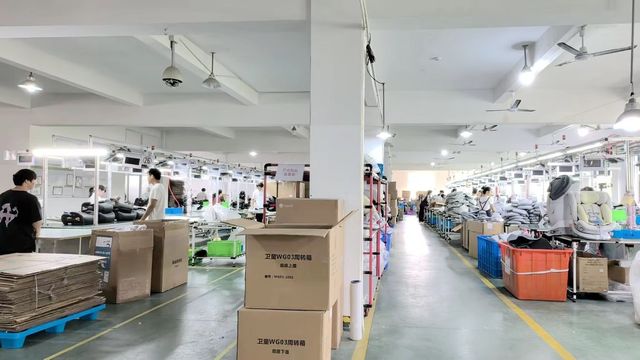
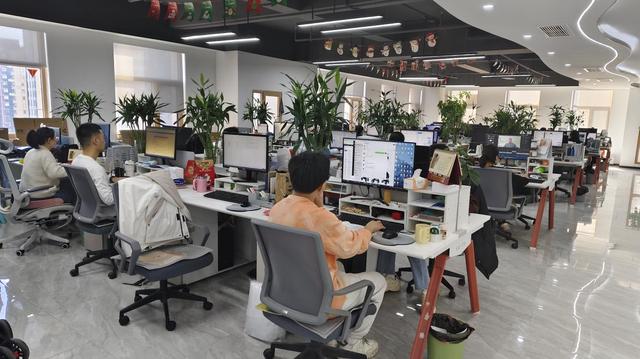
Our manufacturing facilities are built to support clean, systematic production. Below is a look at our daily operations, design facilities, and warehousing logistics:
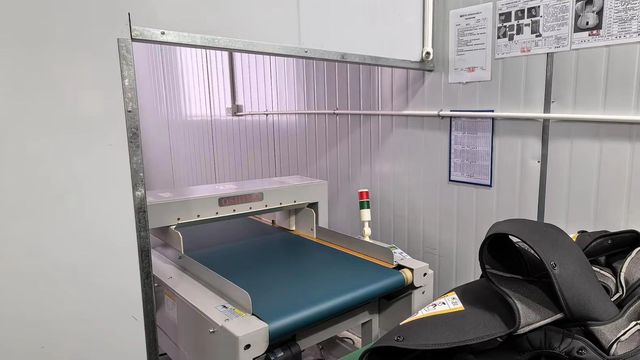
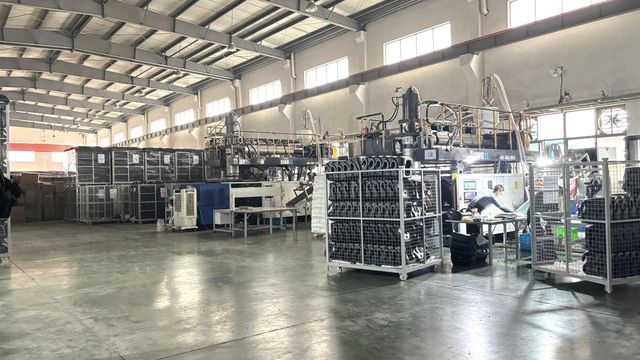
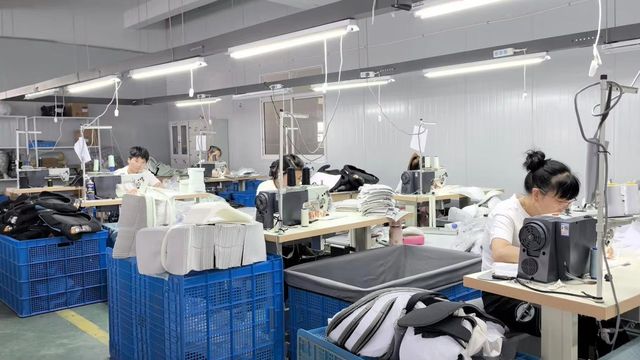
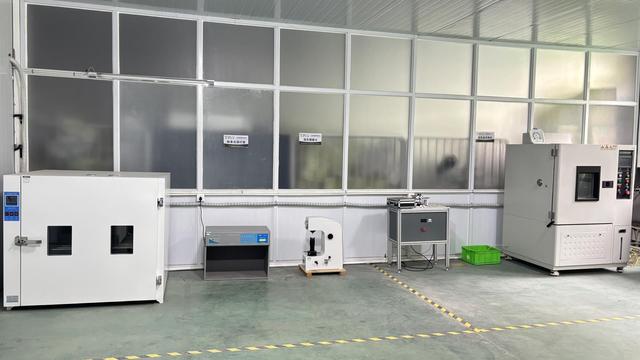
Exporting kids' electric powered vehicles requires compliance with strict safety regulations in target markets. Failure to meet these criteria can lead to border rejections, recalls, and reputational damage. Our products are engineered and manufactured to meet these global standards:
Additionally, the plant utilizes non-toxic pigments, lead-free soldering, and food-grade plastic components. High-precision ultrasonic welding is used to seal batteries and electronics, ensuring they remain protected from children's reach during play.
To help B2B buyers succeed in competitive retail markets, we offer end-to-end OEM and ODM customization services. These services allow importers to differentiate their product lines and capture high-value market segments:
MOQ requirements vary based on the level of customization. For standard models with private labeling, our MOQ starts at 50-100 units per model. For completely custom shell tooling or specialized electronic designs, MOQ typically starts at one 20ft or 40ft container to ensure cost-efficiency in manufacturing and shipping.
We use certified batteries that have undergone rigorous pressure, vibration, and thermal testing. Our assemblies feature double-insulated wiring and dedicated thermal cut-off fuses. Additionally, each batch is tested under loaded conditions to ensure stable temperatures during active operation.
Standard production cycles range from 30 to 45 days after deposit confirmation and artwork approval. For custom ODM products requiring new mold development, design prototyping and testing add approximately 60 to 90 days to the initial schedule.
We provide full documentation, including ASTM F963 and EN71/EN62115 lab test reports from accredited third-party inspectors like SGS or Intertek. Each product shipped includes clear tracking labels and age-grading markings to ensure compliance at customs and retail inspections.
Yes, we support mixed-model container loading. This option helps distributors manage inventory and test multiple product categories in their local market without carrying excess stock of a single model.